
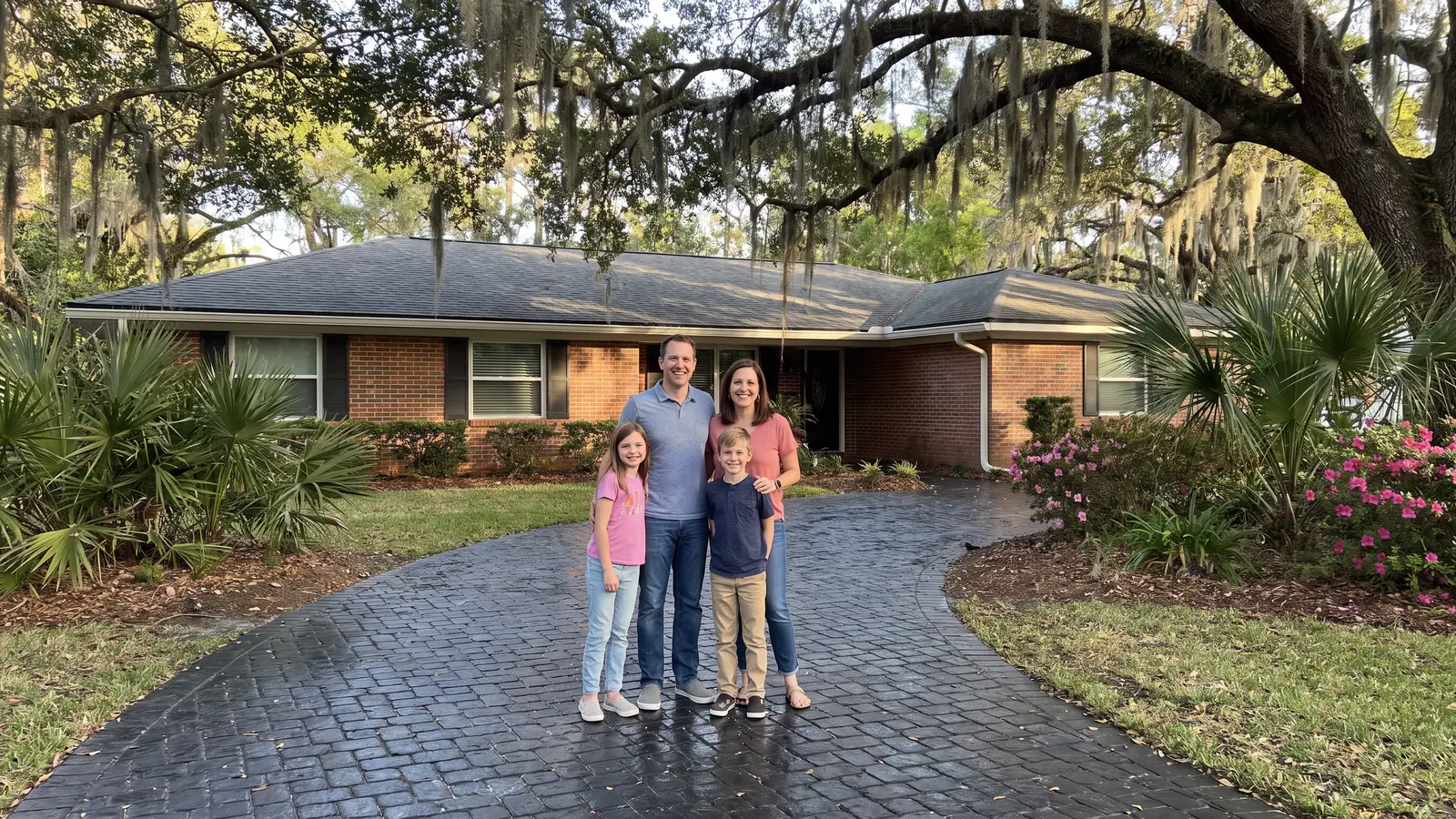
Paver sealing for Panama Park homes
Paver Sealing in Panama Park, FL
Near Main Street or the Trout River, Panama Park pavers can look new again; call (904) 474-3568 for an estimate.
- Brings out deeper paver color
- Fresh joint sand helps lock pavers in place
- Gives weeds less room to grow
- Makes the surface easier to keep clean
- Free estimate, no obligation
Request a Free Estimate
Free, no obligation.
Fast, careful paver sealing in Panama Park
Need paver sealing in Panama Park? A local contractor handles driveways, walkways and patios on streets from North Main Street to the Trout River, and the estimate is free. Phone (904) 474-3568 and expect an answer within 1 business day, usually much sooner.
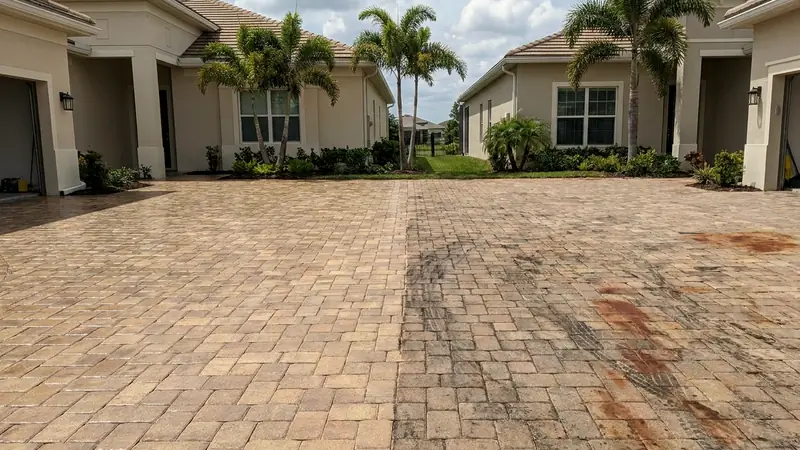
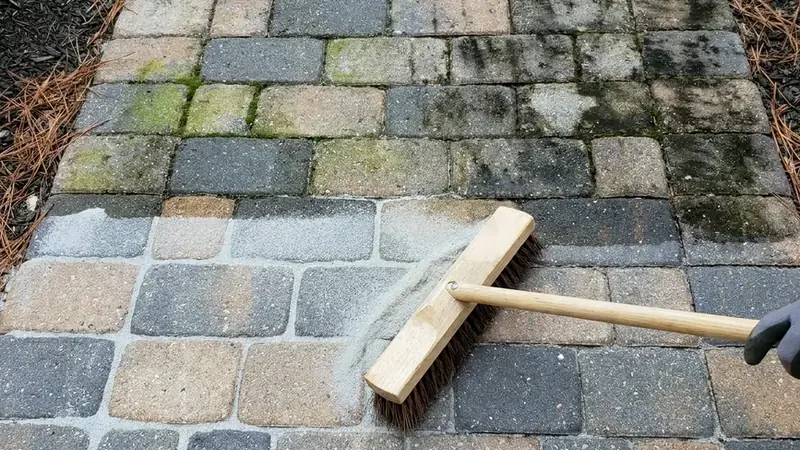
Does your drive look gray, with bare joints and green creeping along the edges? A wash, fresh sand and a new coat tighten the surface and restore the color. When you want a price, ask for your free estimate and say which street you are on.
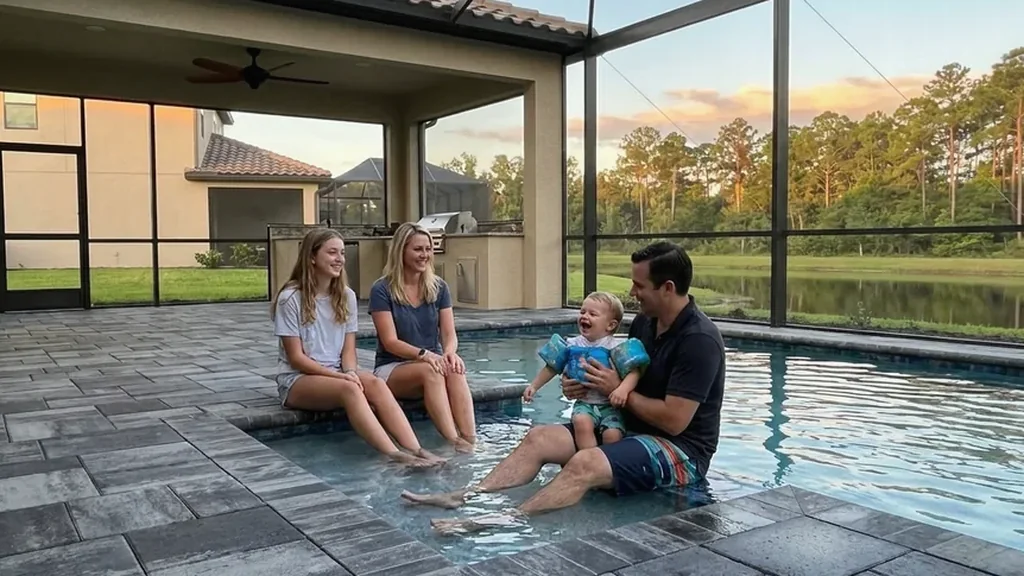
Why hire a local paver sealing contractor in Panama Park?
Panama Park lots date back to 1910, so the pavers in them have often been laid, lifted and relaid more than once. A local contractor knows to check for that history before pricing, so ask for your free estimate.
Look first, quote second
A contractor looks over your Panama Park pavers, measures them and then quotes the job. Nothing is due for the visit.
Numbers you can test
Local companies post $1.75 to $3.25 per square foot to clean, sand and seal. Use that range to size up any bid.
Quiet or deep color
Matte gives a natural tone. A wet look deepens the color, though scuffs show sooner on a busy drive.
A reply in a day
Hear back within 1 business day, usually much sooner. There is no obligation to hire.
Get Your Free Estimate in Panama Park
Tell us about your pavers in Panama Park.
Free, no obligation
What paver problems show up most in Panama Park?
Damp air near the Trout River
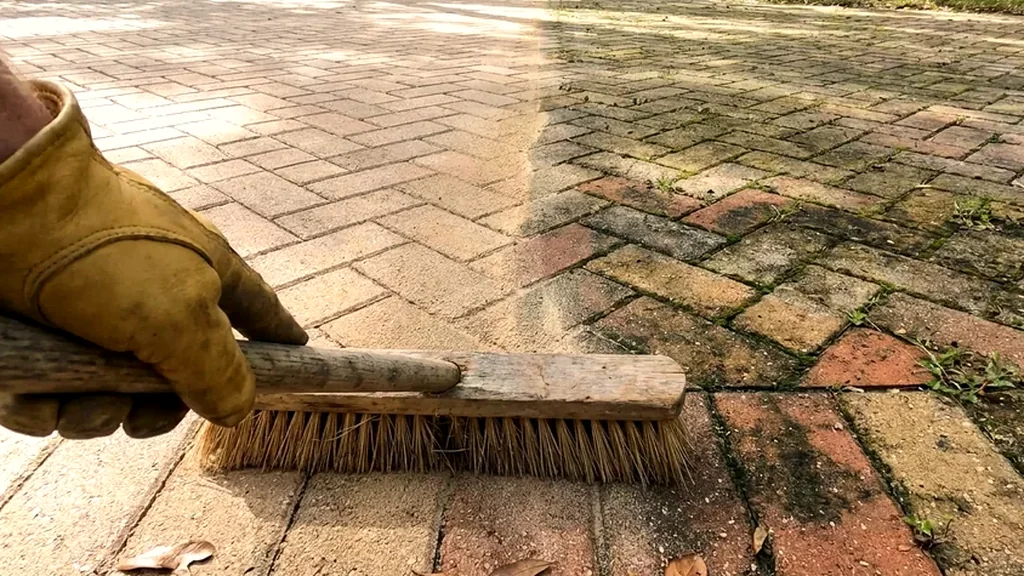
Tides reach far up the St. Johns River, and the effect is strong near Jacksonville, according to the St. Johns River Water Management District. Panama Park sits where the Trout River meets that tidal system. Pavers close to the water can stay humid and grow a green film. Sealer needs a dry surface, so a damp drive waits for the right morning. If your drive faces the water, expect the green to start along the edges first. A wash clears it, and a sealed surface lets the next wash work faster. Ask the contractor to check the shadiest corner of the lot, since that spot usually dries last. Gutters that empty onto the pavers add to the damp, so mention them at the estimate. The Trout River waterfront still holds marinas and seafood markets, so humid air is part of daily life here. A sealed surface sheds that moisture faster and washes cleaner. That is why wash time here depends on how close your lot sits to the water.
Walks that have been relaid many times
Lot sales began in 1910, and most of North Main Street's shops arrived between 1945 and 1960. A walk or drive in this part of town may have been redone several times. Newer stones next to older ones can differ in color and wear. A contractor checks each section so the finish comes out even. That is normal for a neighborhood this old, and it is easy to plan for once the contractor has seen it. Photos of each section, taken in morning light, speed up the estimate. Sealing the whole surface in one visit helps the old and new sections age at the same pace. Homes behind North Main Street were built in waves after the first lots sold in 1910, so no two walks share the same history. The contractor can usually spot which sections are original and which were added later. Cummer's sawmill and the railroad shaped who built where, so even neighbors can have pavers from different decades.
Joint sand that washes away
The soil under Duval County is fine sand, deep and well drained. About 52 inches of rain fall each year, much of it in hard summer storms. Sand leaves the seams and travels toward the street. Open joints let soil in, and weeds start from there. A handful of sand pulled from a seam tells you how much is left, and a full joint also keeps stones from shifting. Refilling after the wash is the step that makes the rest of the job last. Heavy summer downpours can carry away a cup of sand from a single seam in one afternoon. Sandy, well-drained soil moves water down fast, but it also lets stone settle unevenly where tires turn. Where tires turn at the street end, the stones carry the most weight and sink first.
Unknown coats from earlier owners
With homes here going back to 1910, a past owner may have sealed the pavers with something nobody remembers. Sealer based on water will not stick to an older coat based on solvent. If the surface is peeling, cloudy or patchy, that is a hint of an older product. The contractor identifies it first. A water test on a hidden corner can also show whether the surface still sheds water. Keep any receipt or product label you find, since it saves time at the estimate. A peeling edge near the garage is often where the old coat gives out first. Developer Clark's ten-year covenants expired long ago, so nothing on paper tells you what an earlier owner did to a walk. A written record of past sealing is rare on lots this old. Ask neighbors who sealed their drives, since a crew that worked one street may have worked yours.
Rust streaks from sprinklers
A University of Florida extension page says well water in most of the state carries iron, and sprinklers fed by it leave orange stains. If your Panama Park yard runs a well-fed sprinkler, look for rust-colored lines where the spray lands. Sealer would lock those marks in. They need treating before the coat goes on. Moving a spray head a few inches away from the stone helps prevent new marks. A contractor can tell rust from plain dirt at a glance, and the treatment differs. City water does not cause these stains, so the pattern tells the contractor what is going on. Rust stains look orange and often show up in an arc where a sprinkler head throws water. Tell the contractor where your sprinkler heads sit, and the pattern of stains will make sense.
Does sealing differ along Main Street and near the Trout River?
Somewhat, because the two parts of Panama Park live differently. North Main Street has long served as the commercial core, and most of its shops date from 1945 to 1960. The homes behind it sit on lots first sold in 1910, so tell the contractor which street you are on when you ask for your free estimate. In the railroad years, four Seaboard Air Line trains and two steamboat landings served Panama Park each day.
Toward the water, the Trout River waterfront still holds marinas and seafood markets. A crab meat plant moved there in 1934, and the working waterfront has stayed. Damp air from the river is part of life on those lots, so call (904) 474-3568 and ask how the contractor handles pavers that stay humid.
Near Culver Elementary School, built in 1916 and designed by architect Henry Klutho, many homes are older. Interstate 95 later ended Main Street's role as the main route north and south, so these side streets are quiet. A quiet street makes access easy, so ask for your free estimate and ask for the next open day.
What does paver sealing cost in Panama Park?
A Panama Park drive thick with green film or missing joint sand takes more prep than a clean, sunny one. Published prices around Northeast Florida come to $1.75 to $3.25 per square foot to clean, sand and seal. One national company says stripping a failed old coat sits higher. For a number that fits your pavers, ask for your free estimate.
The rate multiplies by every square foot, so size matters most. A walk plus a patio costs more than a walk alone. Describe your surfaces on a call to (904) 474-3568, and the contractor can say which end of the range to expect.
| Paved area | Typical example | Clean, sand and seal |
|---|---|---|
| 300 sq ft | Small patio or walkway | $525 to $975 |
| 600 sq ft | Two car driveway | $1,050 to $1,950 |
| 1,000 sq ft | Large driveway or pool deck | $1,750 to $3,250 |
| 1,500 sq ft | Driveway plus pool deck | $2,625 to $4,875 |
Math based on the $1.75 to $3.25 per square foot that Northeast Florida paver companies published as of November 2026. Your contractor sets the actual price after seeing the surface. Repairs, leveling and stripping failed sealer are usually extra.
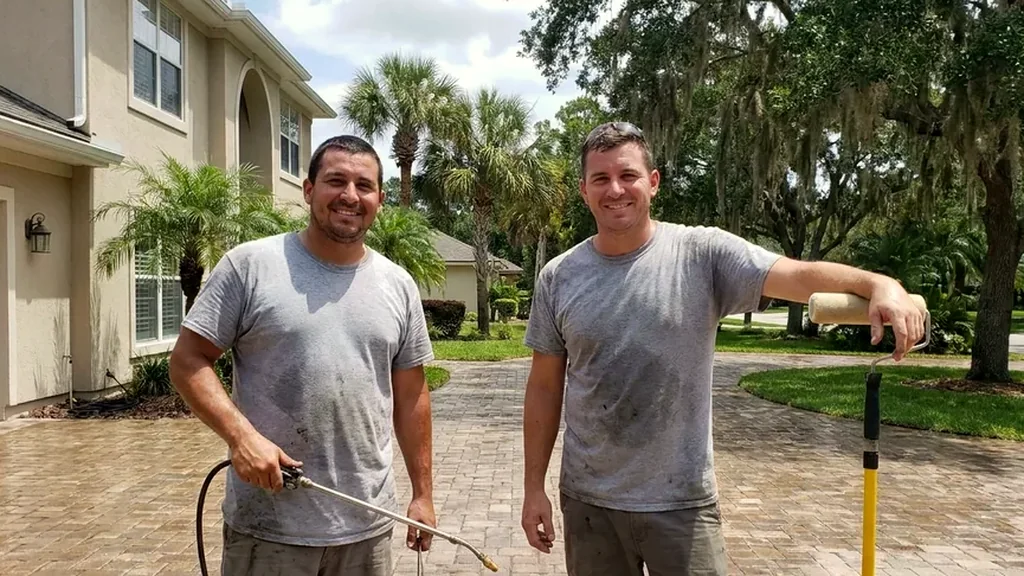
How does a paver sealing job work in Panama Park?
Inspect
The contractor walks your Panama Park pavers looking for sunken sections, since a coat over a dip keeps the dip. Damp spots and drainage get noted too. If an old coat is there, its type decides what can go over it.
Wash
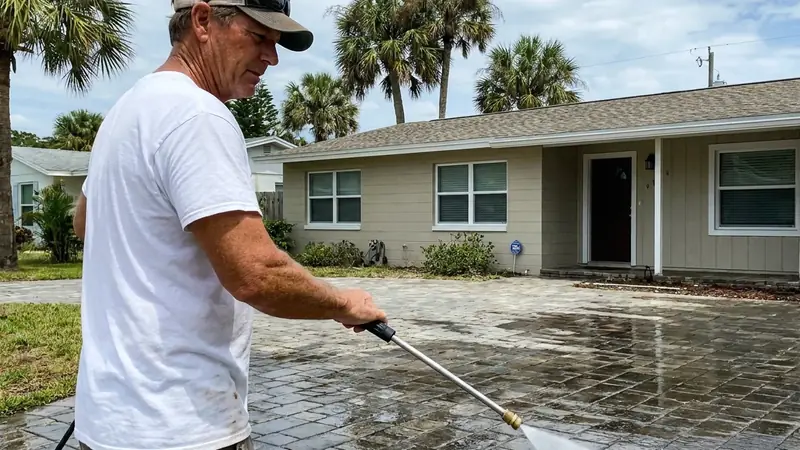
The wash removes green film, dirt and stains, and river-side pavers often carry the most film. Rinse water is steered away from doors and plantings. Rust marks and oil spots get a second look before sealing.
Re-sand
Sand leaves with the wash, so the seams are refilled and swept. Duval County's sandy ground lets empty seams collect soil and weeds. A local company says each hour of sealing follows two to three hours of prep.
Dry
Sealer needs a dry surface, and most of Jacksonville's rain arrives from May to September. Humid air off the river slows drying. The contractor may move the day to avoid sealing damp stone, which can leave a cloudy finish.
Seal
Crews commonly spray the sealer, then back-roll it into the joints. Per one local sealing company, feet can return in a few hours and cars after about a day. Expect a coat to last somewhere between two and five years, as local companies quote. Ask for the product name when the job ends.
Complete paver services in Panama Park
Weather comes first in Panama Park. Rain falls hardest from May to September, and river air can slow drying on lots near the Trout. The contractor may suggest a dry stretch in fall or spring. To book a window that fits your street, ask for your free estimate and ask what the next dry stretch looks like.
Sealer comes water-based or solvent-based, in matte or wet finishes. If a past owner used solvent, a water-based product cannot go over it. A wet look deepens color but scuffs show sooner than on matte. Call (904) 474-3568 to talk through what suits your home and your drive.
Drives, front walks, back patios and pool decks each age in their own way. Drives take tires and turning, and walks take steady steps. Patios sit damp behind the house. Tell the contractor which surfaces you have when you ask for your free estimate, and the quote will cover each one.
Panama Park pavers get a five-part treatment: inspect, wash, re-sand, dry, seal. Each stage depends on the one before it. The sealer goes down last, so no film or loose sand gets locked beneath it. To get the schedule for your property, call (904) 474-3568.
Questions to ask before you hire
- Can you point out the spots that will probably need a touch-up in a year or two?
- Do you charge extra for a steep driveway or a circular layout?
- Can you start after the school drop-off and finish before my kids are home?
- Can you lift the tar spots and chewing gum off my pavers before you seal?
- Could you price only the front half of the driveway to start?
- How does the cured sealer feel underfoot compared with bare pavers?
- Do you wash the driveway apron out to the curb, or stop at my property line?
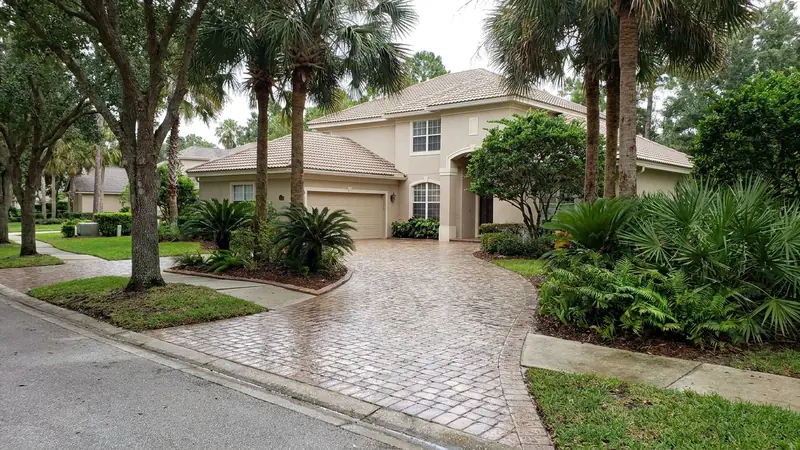
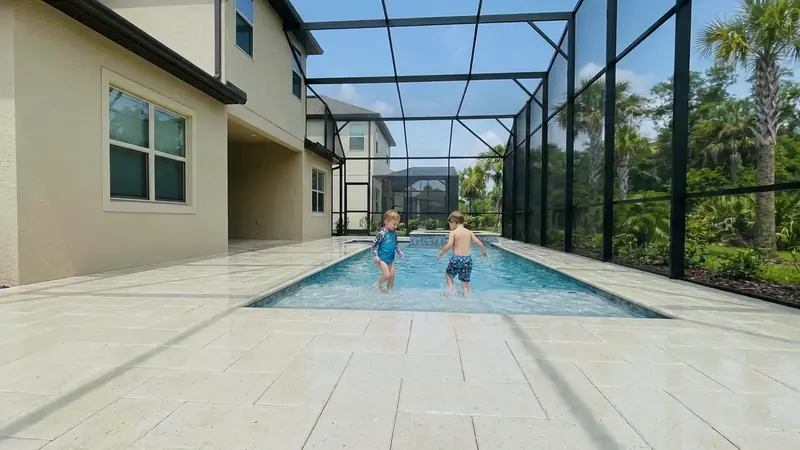
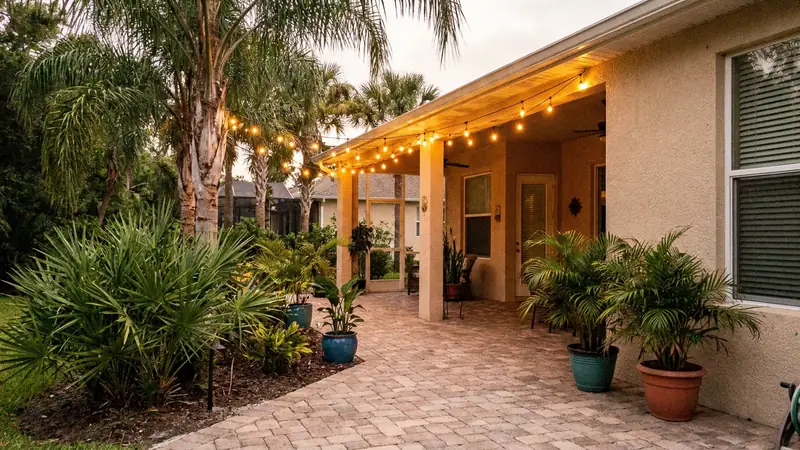
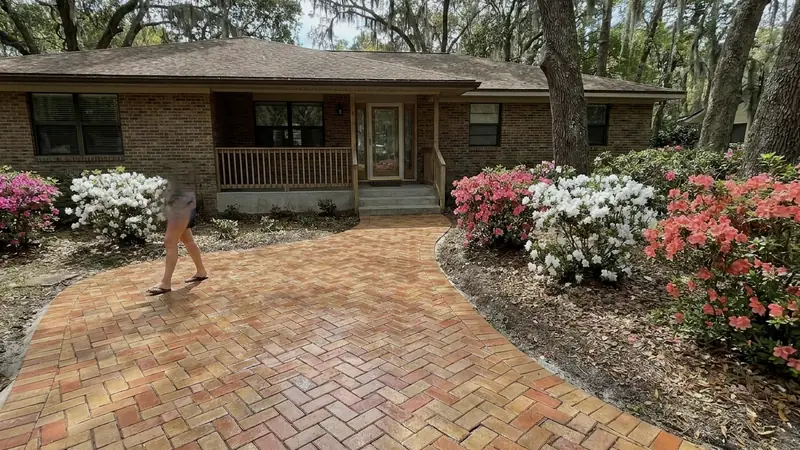
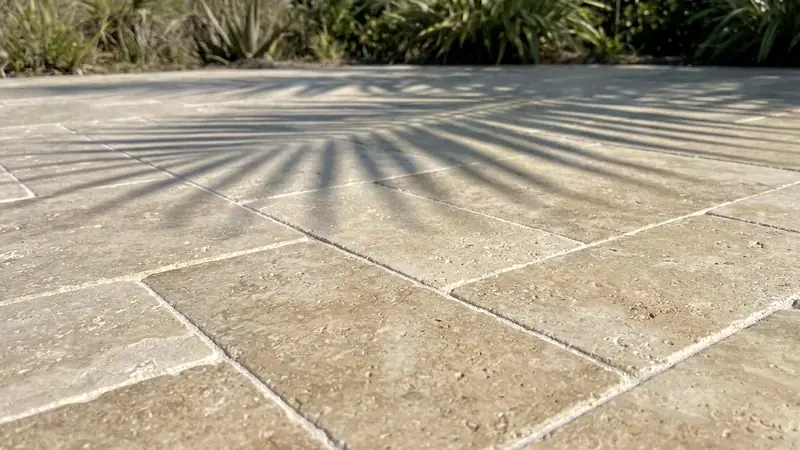
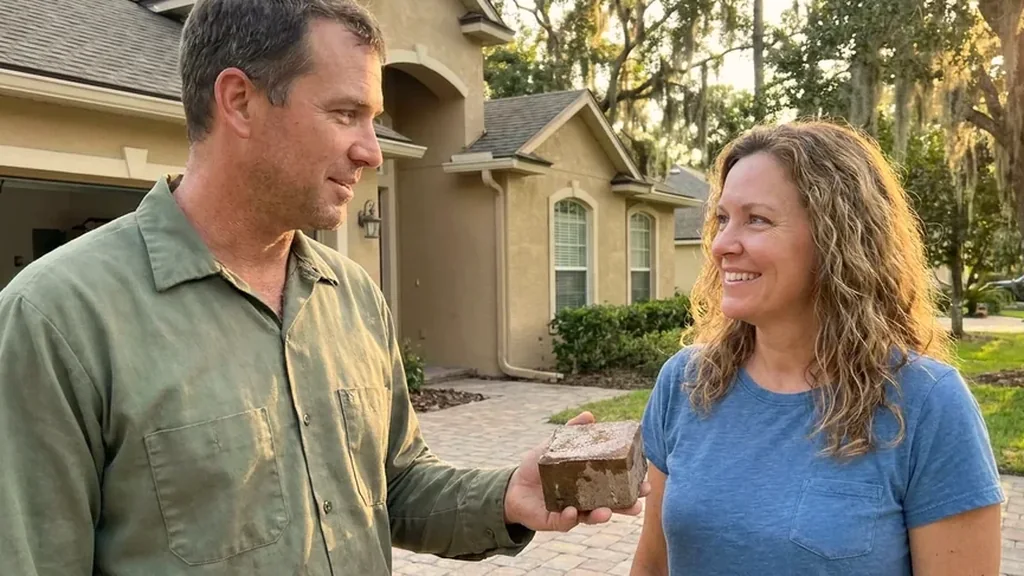
What do sealed pavers look like around Panama Park?
Why local matters in Panama Park
River air changes drying times, and a contractor who works Panama Park plans for it. That shapes when sealer can go down and how long the wash runs. To speak with someone who works Panama Park, call (904) 474-3568.
Lot ages vary too. Sales began in 1910 and the area grew in waves through 1960, so one walk can hold stones from several eras. You can ask for your free estimate and point out anything that looks mismatched.
Jacksonville's rain peaks from May to September and often comes in short, hard bursts. A local contractor leaves room for a wet week. To plan around the weather, ask for your free estimate and ask about the next dry stretch.
What is Panama Park's history with lumber and rail?
Charles Sibbald built East Florida's first steam sawmill here in 1828, and the Fernandina & Jacksonville Railroad opened a depot in 1880. Wellington Cummer's lumber company followed in 1896 and became the area's biggest employer. If you live near the old depot streets and want pavers cleaned, ask for your free estimate. Sibbald's son-in-law, Farquhar Bethune, later opened the region's first brick kiln here.
Developer George Clark began selling lots around the depot in 1910, with rules that required 25-foot front yards. Culver Elementary opened in 1916, and a wallboard plant went up on the old Cummer site in 1939. Near any of these Panama Park landmarks, call (904) 474-3568 and name your street. Florida's first crab meat plant moved to the Trout River in 1934.
Frequently Asked Questions
Is it good to seal pavers in Panama Park?
Yes, for most homes. A good coat slows fading, keeps more joint sand in place and makes washing easier. Near the Trout River, where air stays humid and rain washes out joints, it protects the surface between washes. Selling soon? A sealed drive makes the front of the house look kept up. It is a good fit for a drive that gets daily use.
How long do paver sealers last in Panama Park?
Quoted spans between coats at local companies run two to five years. River humidity and heavy tires push toward the short end. A bead-or-soak test from a Jacksonville company is simple: beading water means the coat holds, and soaking water means it has worn out. A splash test each spring shows you where you stand. Shaded lots that stay wet usually need coats closer together.
What is the average cost to seal pavers in Panama Park?
Published prices across the region run from $1.75 to $3.25 per square foot for the full clean, sand and seal. Size, stains and old sealer decide where your job lands. Only a visit can turn that range into a price for your lot. See whether a bid includes sand, stone repairs and stain work before you compare. Square footage is the number that moves the total most, so measure your drive before you call.
Why is paver sealing so expensive in Panama Park?
Most of the cost is prep. A local company says each hour of sealing follows two to three hours of prep. Waiting on a dry surface alone can eat up a morning. A price well under the published range may mean steps were dropped.
Can I seal pavers right after a flood or heavy rain?
Not until they are clean and fully dry. Sealer cannot go over a wet surface, and silt must be washed out first. After high water on the Trout River side, the contractor will check joint sand too. If your lot took water, expect a longer wash so silt is not sealed in. Expect a short wait while the surface dries.
How soon can I drive on newly sealed pavers?
Walking is usually fine within a few hours, according to a Jacksonville company. Plan on about a day before driving on it, though sealer and weather change that. The exact wait for your product comes from the contractor. Pets and bikes should stay off as well, since a fresh coat can print.
Is sealing worth it near the Trout River?
Usually, yes, because river air keeps pavers damp and feeds green film. A sealed surface sheds water faster and cleans more easily. The wash and the dry surface matter most before sealing, so expect the contractor to pick a day with low humidity.
What are signs that sealer on my Panama Park driveway has worn out?
Water that soaks in and darkens the stone, color that has gone chalky and joints that keep losing sand are the usual signs. A Jacksonville company suggests a simple water test. A free estimate can confirm it.
Can I seal pavers by the Trout River in summer?
Yes, on a dry morning, but summer storms and humid air make timing tighter. Jacksonville's rain peaks from May to September. A contractor may pick a drier week and start early.
Does the age of my Panama Park lot matter for sealing?
It can. Lots were first sold in 1910 and filled in waves after that, so a walk may carry repairs from several eras. The contractor checks each section for old sealer, sunken stones and sand loss before pricing.
What should I move before a Panama Park paver job?
Clear cars, pots and furniture so the contractor can reach every inch. Leave gates unlocked on the day and mention any pets. Ask how long cars must stay off after the coat goes on.
Is Panama Park's sandy soil a problem for pavers?
Sandy, well-drained ground drains quickly, which helps, but it lets stone settle and joint sand wash away. The contractor resets low stones and refills the seams after the wash. Sealing then helps the seams keep their sand longer.
Nearby areas we serve
Ready for a Free Estimate in Panama Park?
Call (904) 474-3568 and tell us about your pavers.
Free, no obligation