
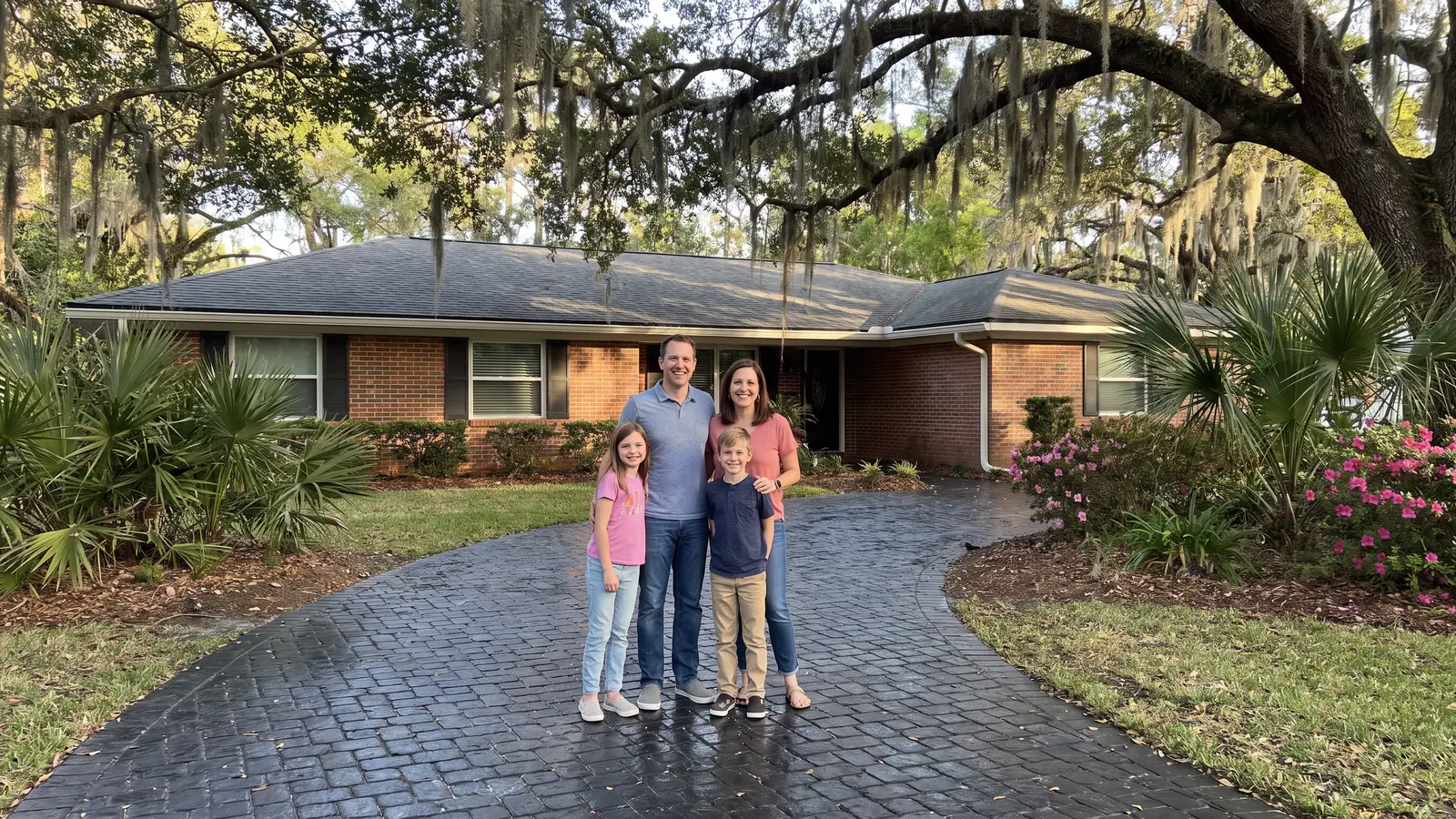
Paver sealing for Arlington homes
Paver Sealing in Arlington, FL
Arlington boomed after the 1953 Mathews Bridge; call (904) 474-3568 for a free estimate on pavers that have aged with it.
- Brings out deeper paver color
- Fresh joint sand helps lock pavers in place
- Gives weeds less room to grow
- Makes the surface easier to keep clean
- Free estimate, no obligation
Request a Free Estimate
Free, no obligation.
Fast, careful paver sealing in Arlington
Paver sealing in Arlington reaches from the older streets by the Mathews Bridge out to the newer blocks near Sandalwood. A local contractor cleans, re-sands and seals driveways, walkways and pool decks, with a free estimate up front. If you ask for your free estimate, an answer lands within 1 business day, usually much sooner.
Drive past your own driveway slowly. Chalky color, thin joints and stray weeds are what years of sun and rain leave behind. A wash, fresh sand and a new coat put one even tone back, and you can call (904) 474-3568 with questions first.
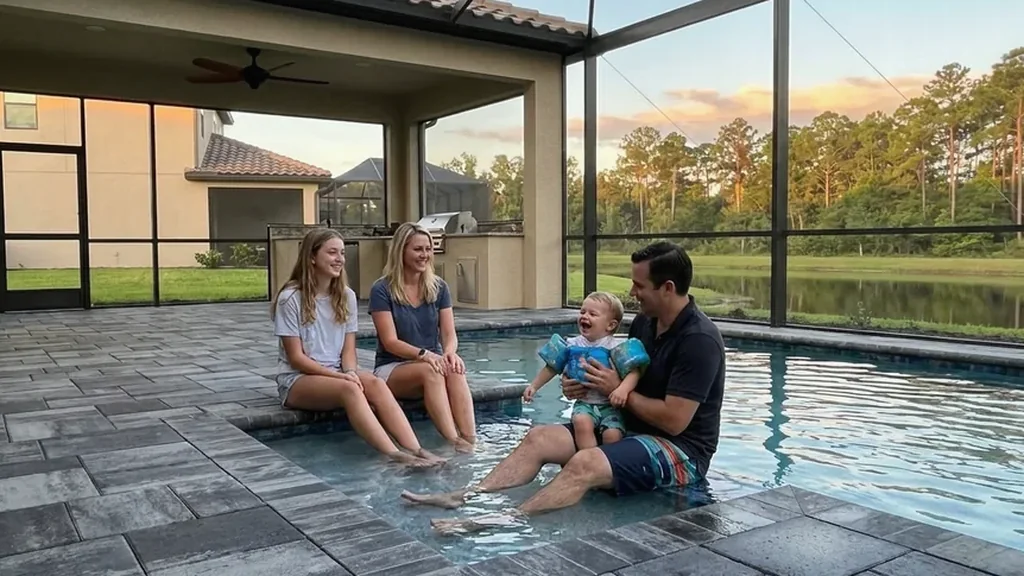
Why hire a local paver sealing contractor in Arlington?
Arlington spans 64 square miles, so a lot near a creek and a lot near the river can behave differently under the same rain. A local contractor knows to ask where you are, so ask for your free estimate.
Quote after a visit
A contractor comes out, measures your Arlington pavers and writes the price down. The look is free.
A fair-price check
Posted prices around Northeast Florida run $1.75 to $3.25 per square foot, a yardstick for any Arlington bid.
Quiet or glossy
Pick matte for a mid-century front or a wet look for deeper color. Scuffs show sooner on the glossy one.
Answer in a day
You will hear back within 1 business day, usually much sooner, and you are not obligated to hire.
Get Your Free Estimate in Arlington
Tell us about your pavers in Arlington.
Free, no obligation
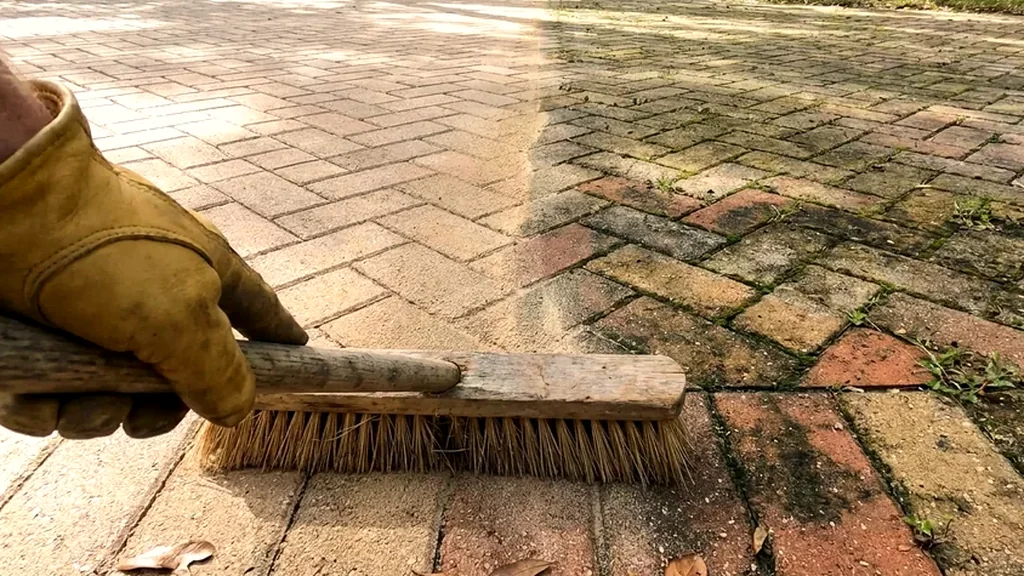
What paver problems show up most in Arlington?
Heavy rain and creek-side water
News4JAX reported that heavy rain flooded Woolery Drive in Arlington Hills in July 2022, reaching front yards. The city pointed to a restricted culvert under Arble Road, with water headed toward Strawberry Creek. Pavers on lots like that can be left with silt after a big storm. Silt must be washed out before sealer goes on, or it will be locked in. If your street has seen water in the past, say so at the estimate. The contractor will plan a longer wash and check the low end of the drive. That planning is also why a free visit comes before any price. Even a shallow flood leaves a thin film on the stone, and it dries to a gray crust. Gutters that empty onto the pavers add to the damp, so mention them too. Pottsburg Creek runs 16 miles through Southside and the south of Arlington, and its water level swings widely because utility ponds and drains feed it. Even a shallow flood leaves a thin film that dries to a gray crust, and a quick rinse will not lift it.
Sandy ground under the stones
Regency Square Mall was built on a former expanse of sand dunes, and the USDA describes the Duval County soil as deep, well-drained fine sand. A sandy base drains fast but can also shift. Stones may settle over the years and leave dips. Dips get reset before sealing, since sealer would keep them. A quick look at the edge of the drive often shows where stones have dropped. Those edges are usually the first to go. Resetting a few stones costs far less than relaying a whole drive later. On sand, the base is what keeps the surface flat, so the contractor looks at the edges first. Wash water can also carry sand off a drive that slopes toward the street. On sand, a good base is what keeps a drive from sinking, and sealing cannot replace that base. A drive on sand can look fine from the street yet hold dips at the edges, where tires turn and stones drop first.
Mid-century homes with many owners
The Mathews Bridge opened in 1953, and Arlington grew fast for the next two decades. Homes from that era have had many owners and many repairs. A past owner may have used a sealer nobody wrote down. A water-based coat cannot go over a solvent-based one, so the contractor checks first. If you bought the house recently, the seller's papers may name the product that was used. If not, a small test patch settles the question in minutes. Mid-century homes also tend to have patched sections beside newer pavers. Ask which stones look original and which look newer. Neighborhoods like Sandalwood, begun in 1960, are old enough that several owners have already worked on their pavers. If your house is from the boom years, ask the previous owner or a neighbor who did the work, because one crew often serves a whole block.
Joint sand that leaves each summer
Rain here adds up to roughly 52 inches a year, and a lot of it comes as short, hard summer bursts. Those storms push sand out of paver seams. Open joints let soil settle in and give weeds a start. Fresh sand after a wash is part of every job. Ants also favor open seams, so full joints help on that front too. A handful of sand pulled from a seam shows how much is left. Where the ground drains fast, the seams drain with it. Tides push far up the St. Johns River, so air near the river stays humid even when the rain stops. Where seams are empty, ants and weeds move in together.
Different conditions across a huge area
Arlington covers 64 square miles, with lots by the river, by creeks and well inland. Humidity, drainage and shade vary a lot among them. Tides reach far up the St. Johns system, which keeps riverside air damp. Tell the contractor where you are so the plan fits your lot. A pool deck near a creek behaves differently from one on high, dry ground. Photos of your lot from the street and from the back help the contractor plan before the visit. Humidity near the river slows drying, and that can change the day you book. A lot near Pottsburg Creek and a lot near Fort Caroline are different places. The Timucuan Preserve and Tree Hill Nature Center add large green areas, which means shade and leaf fall near some lots. A lot near Pottsburg Creek and a lot near Fort Caroline are different places, even though both are Arlington.
Does paver sealing change from one part of Arlington to another?
It can, because Arlington is huge and its parts grew in different decades. Streets near the Mathews Bridge date to the 1950s boom, when Arlington became the quickest-growing part of the Jacksonville area. Sandalwood began building in 1960, so tell the contractor which part you live in when you ask for your free estimate. Arlington overlaps Southside at its southern end, so some addresses are described either way.
Near the creeks, drainage matters most. Pottsburg Creek, a 16 mile urban creek, runs through the south of Arlington, and nearby Strawberry Creek takes runoff from Arlington Hills. Lots beside them can hold water after a storm, so call (904) 474-3568 and mention if yours does. A photo helps.
Close to the river, the air stays damp, and the Timucuan Preserve and Fort Caroline sit nearby. Inland blocks around Regency Square drain differently, with sandy ground that moves water quickly. For a plan that fits your block, ask for your free estimate and name your cross streets.
What does paver sealing cost in Arlington?
Arlington's long ranch drives and big pool decks add up quickly, because the rate applies to every square foot. Companies in this region post $1.75 to $3.25 per square foot to clean, sand and seal. A coat that has failed pushes a job toward the top of that range, says one national company. To see your own number, ask for your free estimate.
Creek-side silt, shade growth and lifted stones add time to a bid. A clean, sunny drive on firm ground sits lower. Tell the contractor about your lot when you call (904) 474-3568, and the answer will say which end of the range fits.
| Paved area | Typical example | Clean, sand and seal |
|---|---|---|
| 300 sq ft | Small patio or walkway | $525 to $975 |
| 600 sq ft | Two car driveway | $1,050 to $1,950 |
| 1,000 sq ft | Large driveway or pool deck | $1,750 to $3,250 |
| 1,500 sq ft | Driveway plus pool deck | $2,625 to $4,875 |
Math based on the $1.75 to $3.25 per square foot that Northeast Florida paver companies published as of November 2026. Your contractor sets the actual price after seeing the surface. Repairs, leveling and stripping failed sealer are usually extra.
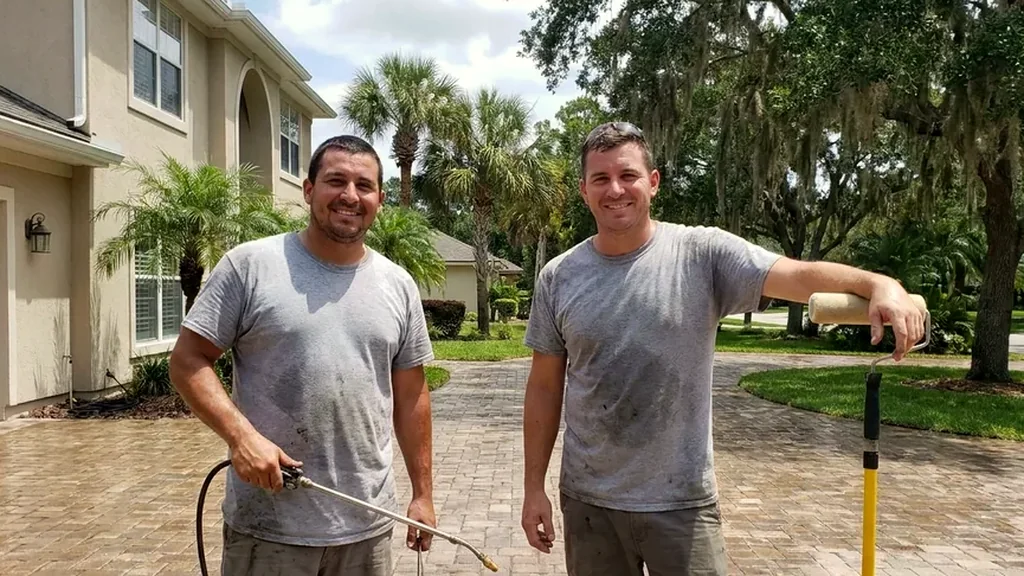
How does a paver sealing job work in Arlington?
Walk and read
First the contractor walks your Arlington lot. Where does water leave? Where have stones dropped? What coat is already there? A test spot answers the last question, and dips are marked for resetting because sealing would keep them.
Clean it
Washing lifts green film, dirt and stains, plus any silt a storm left behind. Pool decks get extra time near the waterline. Rinse water is aimed away from doors and beds, and stubborn marks get a second pass.
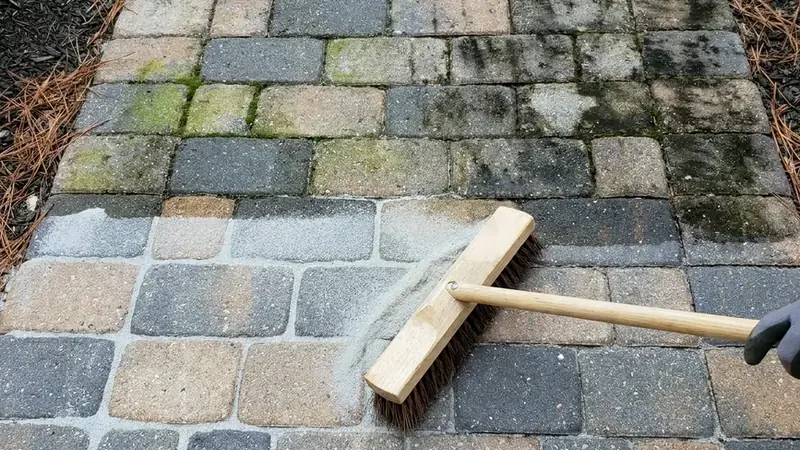
Refill the seams
The wash takes sand out of the seams, so fresh sand goes back in and the surface is swept. Arlington's sandy ground lets open seams collect soil and weeds quickly. One Jacksonville paver company puts prep at two to three hours per hour of sealing.
Wait it out
Wet stone cannot be sealed. The wettest months run from May to September, and lots by creeks or the river stay damp longer. A passing storm moves the date. Rushing the job can leave a cloudy finish.
Coat and keep off
A spray pass goes first, and a roller follows to work the product into the joints. Light foot traffic is fine after a few hours, though cars need about a day, according to a Jacksonville company. Local quotes put the wait before the next coat at two to five years.
Complete paver services in Arlington
Start with the base. Arlington sits on deep sand, so the contractor checks edges and low spots first, then washes, re-sands, lets the stone dry and seals. Sealer goes last so nothing loose is locked under it. To hear how that plays out on your lot, call (904) 474-3568.
Pool decks, long ranch drives, side walks and back patios all show up on Arlington lots. Drives take tires, decks take splash and bare feet, and shaded patios stay damp. List every surface when you ask for your free estimate, so the quote counts each one.
Two choices shape the sealer: water-based or solvent-based, then matte or wet look. A past solvent coat narrows the first one. Matte tends to suit mid-century fronts, though a wet look deepens color for owners who want it. Call (904) 474-3568 to compare.
Creeks and the river make timing local. Rain peaks from May to September, and lots near a creek can stay damp after a storm. A contractor may suggest a dry week in spring or fall. To book a window that suits your block, ask for your free estimate.
Questions to ask before you hire
- Can you walk me through the steps in order, from the first wash to the last coat?
- How does the cured sealer feel underfoot compared with bare pavers?
- How do you handle a job where a big shade tree keeps the pavers damp until noon?
- How do you keep grass clippings and dust off the wet coat on a windy day?
- Can you point out the spots that will probably need a touch-up in a year or two?
- If my pavers still have the thin coat the builder put on, does that change your price?
- Can you start after the school drop-off and finish before my kids are home?
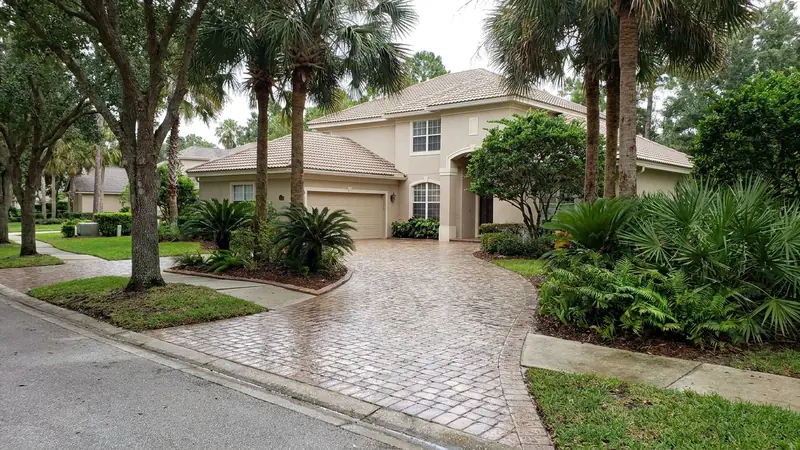
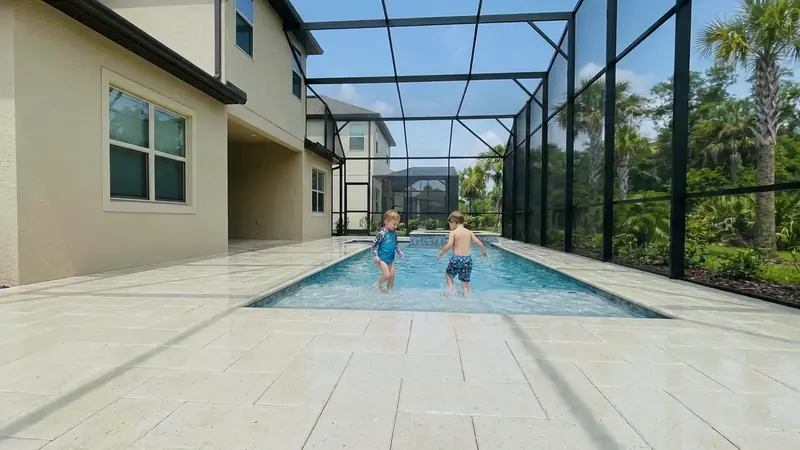
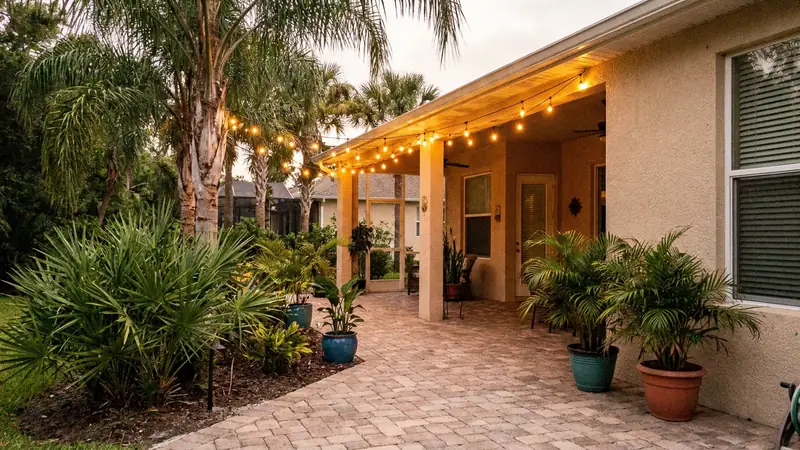
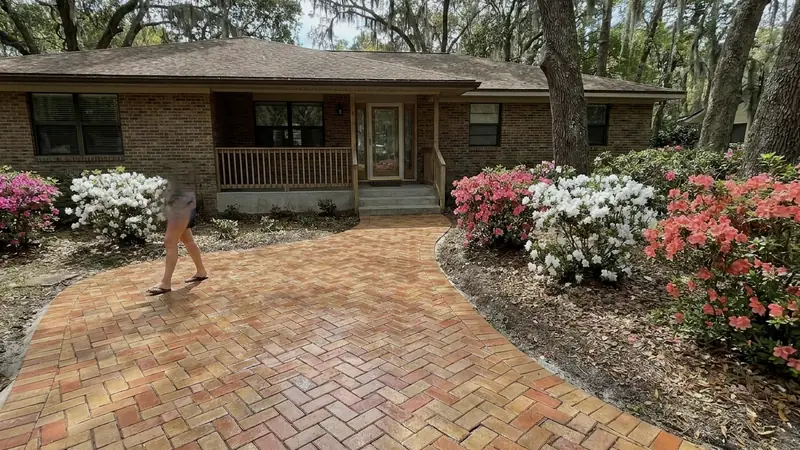
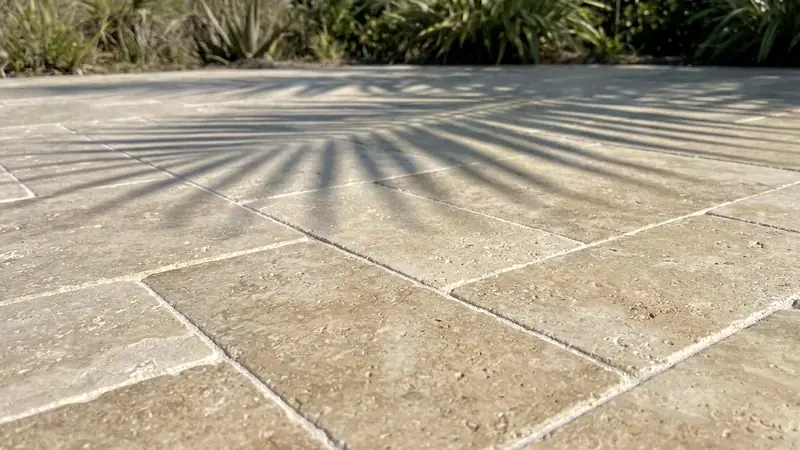
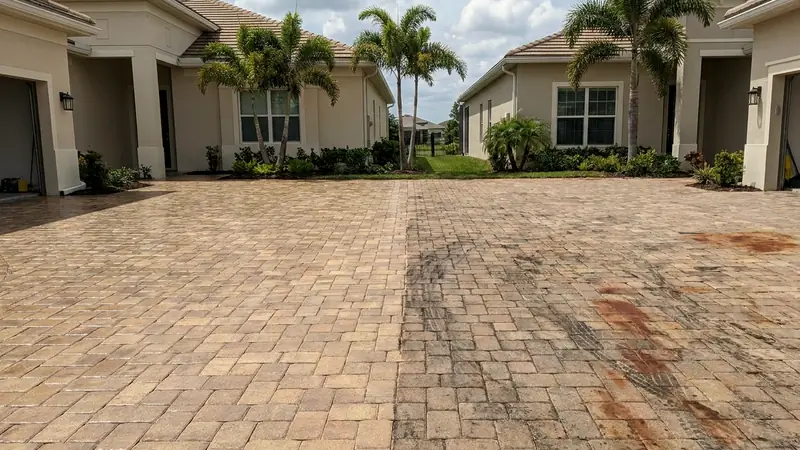
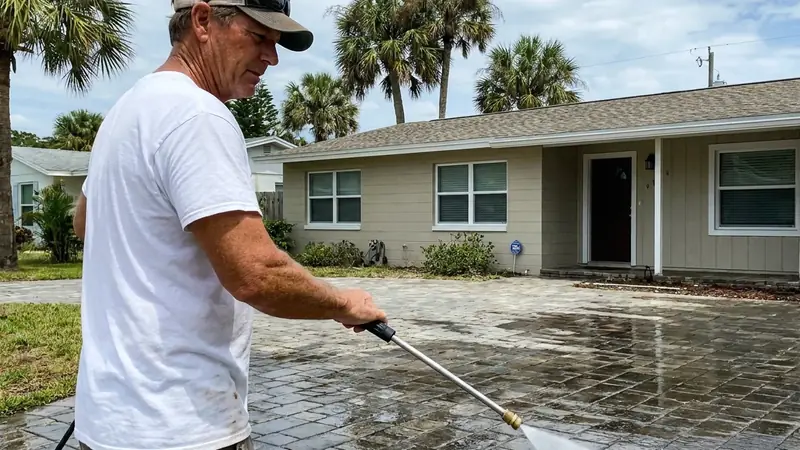
What do sealed pavers look like around Arlington?
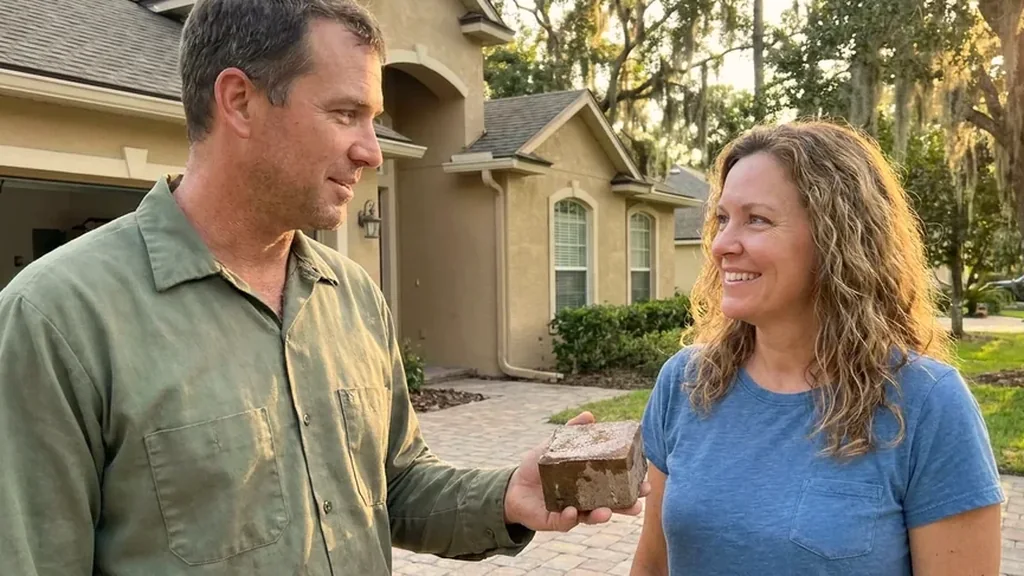
Why local matters in Arlington
Water acts differently near each creek and near the river, and an Arlington contractor knows it. That changes how long the wash runs and which day sealer can go on. For a contractor on the Arlington side of the river, call (904) 474-3568.
Arlington boomed after the Mathews Bridge opened in 1953, so many homes carry decades of patches and repairs. A contractor who has seen those walks knows what to expect. Add the year your house was built when you ask for your free estimate.
Jacksonville's rain comes mostly from May to September, in short, hard bursts. Planning around it means leaving a spare day or two. If that sounds sensible, ask for your free estimate and ask when the next dry stretch looks likely.
How did Arlington grow into what it is today?
The French built Fort Caroline here in 1564 and 1565, and sawmills and plantations later lined the river. Atlantic Boulevard, completed in 1910, was Florida's first modern improved highway, though it was only 18 feet wide. If your home is near those old routes, ask for your free estimate. Jacksonville University began as Porter University in 1934 with sixty students.
The big change came with the Mathews Bridge in 1953. Jacksonville University began in 1934, Sandalwood started building in 1960, and Regency Square Mall opened in 1967 on old dunes. If you live near any of those spots, call (904) 474-3568 and name your street. Arlington also holds Tree Hill Nature Center, the Timucuan Preserve and Jacksonville Executive at Craig Airport, which covers 1,432 acres.
Frequently Asked Questions
Is it good to seal pavers in Arlington?
Yes, for most homes. Sealer slows fading, holds more joint sand and cuts down on scrubbing. On sandy Arlington ground, where rain pushes sand out, it also keeps the surface tighter between washes. If you plan to sell, a sealed drive also helps the front of the house look cared for. It also gives a long drive one steady color. Many owners notice the difference by the next wash.
How long do paver sealers last in Arlington?
Quotes from local companies put the wait between coats at two to five years. Shade, damp ground and heavy tires push toward the short end. One Jacksonville company says water that beads means the sealer still works. A spring splash test shows how the coat is doing. Sandy lots with shade usually need coats closer together. A fresh coat every few years costs less than replacing faded stone.
How much to clean and seal pavers in Arlington?
Companies in this region post $1.75 to $3.25 per square foot for the full clean, sand and seal. A long drive plus a pool deck will total more than a short walk at the same rate. A free visit turns that range into a price for your drive. A bid far under that range deserves a second look, since prep is where shortcuts hide. Find out whether sand, repairs and stain work are in the bid. Measure your drive and deck before you call so the quote is quick.
Why is paver sealing so expensive in Arlington?
Most of the cost is prep. Prep dominates the day, with two to three hours of it behind every hour of sealing, per a Jacksonville company. Most of the work is done before any sealer is opened. Cheap bids often cut the prep, and the coat shows it later. Ask for the sealer type and the finish in writing. A fair bid lists each step.
Can I seal pavers after my Arlington lot floods?
Yes, after the stone is washed and fully dry. Silt must be washed out and lost joint sand replaced first. The contractor will check the low end of the drive. Drying time depends on shade and the weather. The low end of the drive deserves a look before anything else.
What should I know about sealing pavers on sandy ground in Arlington?
Sandy ground drains fast, which helps, but the base can settle. The contractor resets any low stones before sealing and refills the joints with sand after the wash. A sealed surface then holds sand better between storms.
Do pool decks in Arlington need a different sealer?
They can. Pool decks see splash and bare feet, so ask the contractor how the finish feels underfoot when wet. Also ask what is already on the deck, since the new sealer must be compatible with any old coat.
Can I seal my Arlington pavers if my street floods?
Yes, once the stone is clean and dry. In Arlington Hills, heavy rain flooded Woolery Drive in 2022, so the contractor will plan extra washing for silt. Tell them about past flooding at the estimate.
How long does a paver job take in Arlington?
Timing depends on the area, stains and drying. Washing and re-sanding come first, and the stone must be dry before sealing. The contractor gives a time estimate at the visit.
Is sealing worth it on an older Arlington home?
Often, yes. Older homes tend to have faded, patchy pavers, and a clean, sealed surface evens the tone. Resetting sunken stones comes first, and the estimate is free.
Does Pottsburg Creek affect pavers near it?
Lots near the creek may stay damp after heavy rain, since its water level swings widely. Damp pavers grow green film and dry slowly, so the contractor may wait for a clear stretch. Ask about drainage at the estimate.
Does the Mathews Bridge era mean my pavers are old?
Not necessarily. Homes from the 1950s boom may have had pavers added or replaced since. The contractor checks each section for old sealer, sunken stones and sand loss, whatever its age.
Nearby areas we serve
Ready for a Free Estimate in Arlington?
Call (904) 474-3568 and tell us about your pavers.
Free, no obligation