
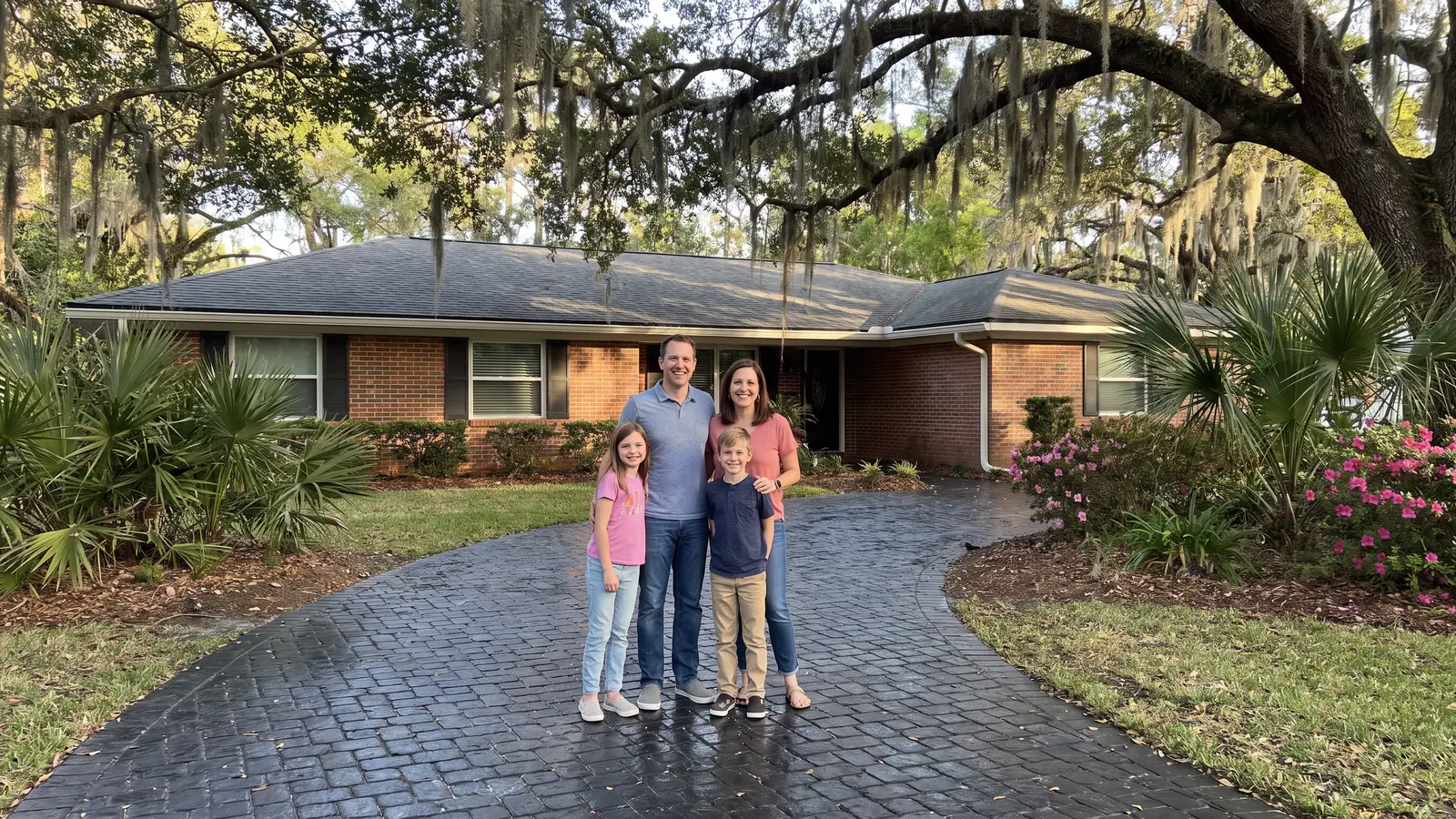
Paver sealing for Southside homes
Paver Sealing in Southside, FL
From Lakewood's college-named streets to Southside Estates, call (904) 474-3568 for a free paver sealing estimate.
- Brings out deeper paver color
- Fresh joint sand helps lock pavers in place
- Gives weeds less room to grow
- Makes the surface easier to keep clean
- Free estimate, no obligation
Request a Free Estimate
Free, no obligation.
Fast, careful paver sealing in Southside
Paver sealing in Southside comes with a free estimate from a local contractor, for a driveway, front walk, pool deck or patio. A reply usually comes within 1 business day, and often well before that. If you would rather talk first, call (904) 474-3568 and name your street.
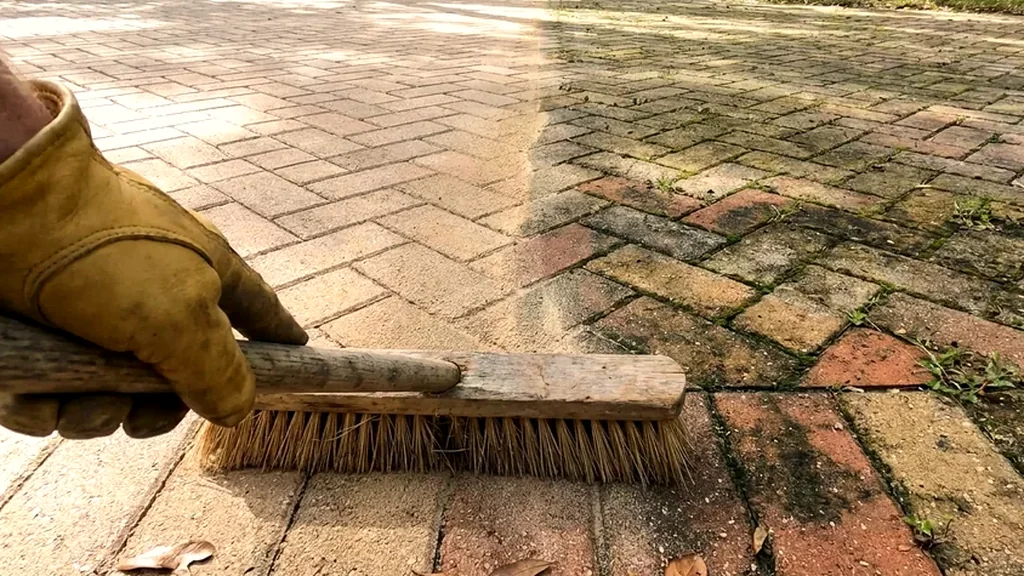
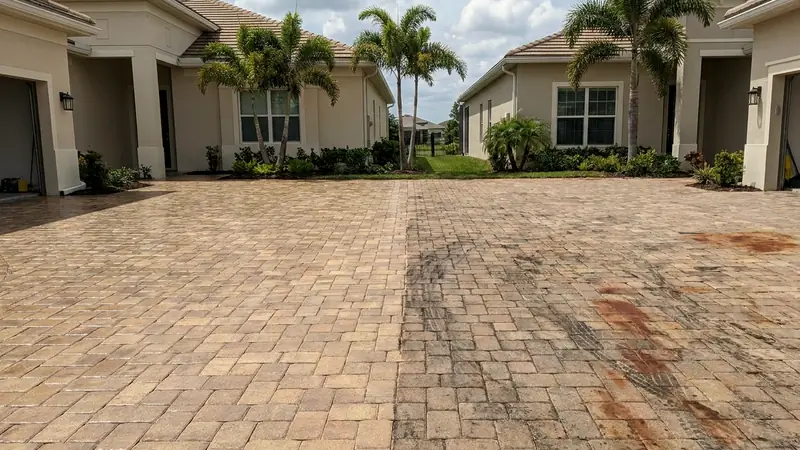
Picture the pavers by your garage with a gray film, green in the joints and a chalky color. After a wash, fresh sand and a new coat, the same stones read as one even tone. Southside runs from 1950s ranch streets to newer condo courts, and you can ask for your free estimate for either kind of lot.
Why hire a local paver sealing contractor in Southside?
Southside homes went up across many decades, so no two driveways share the same base, sand or old coating. A local contractor who asks about yours can give a firmer number, and you can ask for your free estimate to start.
A free first look
A contractor walks your Southside lot at no charge, then quotes the work before you decide anything.
The published range
Published prices across Northeast Florida run from $1.75 to $3.25 per square foot to clean, sand and seal. Compare any Southside bid to that range.
A finish by surface
Matte keeps a 1950s ranch front looking calm. A wet look adds shine to a pool deck but shows scuffs sooner.
No pressure to book
Ask questions, compare bids and take your time. A Southside estimate carries no obligation, and you pick the date.
Get Your Free Estimate in Southside
Tell us about your pavers in Southside.
Free, no obligation
What paver problems show up most in Southside?
Sand that drains fast, and joints that drain with it
In 1960 the land south of Beach Boulevard was described as sand dunes and pine trees. The USDA places its Ortega soil series on the Southside, a deep sand that drains quickly. Fast water can carry joint sand away, which means gaps open and weeds find room. Jacksonville also gets about 52 inches of rain a year. A contractor will look at edges and slopes, where runoff tends to expose low sand. That is also where a quick refill of sand does the most good. Sand gaps are one of the first things the contractor checks. Southside Boulevard, part of State Road 115, drove the growth of this side of town, and the Skinner family gave land for it. Driveways followed the road, and pavers followed the driveways, so ages vary a lot from street to street.
Water that lingers near the creek
Pottsburg Creek runs through the heart of the Southside and is fed by storm drains and retention ponds, so its level swings. During Nicole in 2022, the boat ramp on Beach Boulevard flooded. A low driveway near the creek may stay damp longer than a high one. Sealer needs a dry surface, which means those lots can wait. Ask the contractor to look at the low end of your drive first. That spot shows how long the pavers need to dry before any coat goes on. A quick look after a storm tells you more than a guess does. On a lot that backs up to a creek or a retention pond, ask the contractor to check the low end of the drive first. One Southside paver page adds that the sand bedded under pavers can stay damp after rain.
Pavers added by earlier owners
Lakewood was largely built out by 1961, and the median Southside Estates home dates to 1952. Many pavers there went in much later, by owners nobody can name now. That counts, since a water-based product will not go over a solvent-based coat. Finding out what is on the stones comes before picking a product. A coat that is peeling or patchy is a clue that something old is still on the surface. Keep any receipt or product name you can find, since it can settle the question fast. Englewood was platted in 1926, so some lots there have changed hands many times. Each owner may have added pavers or sealer without leaving a note.
Fresh pavers that still show white haze
More than 70 percent of the apartments and developments around Sunbeam were built after 2000, and Town Center has added condos since 2005. Newer pavers can show a white haze as moisture leaves them. One paver company says to wait about 60 to 90 days after installing before sealing. Sealing too early can trap that moisture. Waiting a few weeks lets any haze show itself so it can be treated first. A contractor can tell you whether yours is old enough. Newer condo and townhome courts often have small patios, so ask whether a minimum job size applies. Small jobs still need the same washing and sand.
Green film under mature trees
Lakewood is known for its mature landscape. Moss and algae settle in where branches block the sun and the stones stay wet. If a big oak sits over your walk, expect green to start where sun rarely lands. Washing removes it, and a sealed surface gives dirt and algae less to grip. A sunnier walk dries out sooner, so it tends to stay cleaner longer. Shaded spots may need washing more often between coats. A shaded walk can look clean one week and green again by the next wet spell. A sealed surface also sheds oil and spills more easily, which helps near a garage.
Does paver sealing change between Lakewood, Englewood and newer Southside streets?
Yes, because the age of a street hints at what sits under the pavers. Walter Crabtree began Lakewood, along San Jose Boulevard, in 1946, and it was largely built out by 1961. Its streets carry college names such as Clemson, Cornell, Fordham and Emory, and the mature landscape means shade on many walks. Tell the contractor your street when you ask for your free estimate.
Englewood is among the Southside's oldest areas, platted in 1926 along Little Pottsburg Creek, and I-95 cut through it in the 1960s. Southside Estates has a median build year of 1952, and none of 29 homes checked sits in a FEMA flood hazard zone. Older lots often got pavers decades after the house, so call (904) 474-3568 and share what you know about yours.
Newer areas read differently. Some Sunbeam subdivisions date from 1970 to 1999, and most of its apartments and developments came after 2000. In a community like that, Florida Statute 720.3035 gives an association a say over exterior changes, but only as far as its governing documents reach. Check your guidelines, then ask for your free estimate and mention the association.
What does paver sealing cost in Southside?
Published prices across Northeast Florida run from $1.75 to $3.25 per square foot to clean, sand and seal. A Southside total moves with how much open driveway you have, how much joint sand has washed out and whether an old coat must come off. A wide lot means a bigger total at the same rate. To price yours, ask for your free estimate.
Prep drives the bill more than the sealer does. One Jacksonville company reports two to three hours of prep behind each hour of sealing, so washing and sanding show up as real line items. A shaded Lakewood walk or a pool deck with many corners adds minutes. The estimate is free, and you can ask for your free estimate to learn which parts apply to you.
| Paved area | Typical example | Clean, sand and seal |
|---|---|---|
| 300 sq ft | Small patio or walkway | $525 to $975 |
| 600 sq ft | Two car driveway | $1,050 to $1,950 |
| 1,000 sq ft | Large driveway or pool deck | $1,750 to $3,250 |
| 1,500 sq ft | Driveway plus pool deck | $2,625 to $4,875 |
Math based on the $1.75 to $3.25 per square foot that Northeast Florida paver companies published as of November 2026. Your contractor sets the actual price after seeing the surface. Repairs, leveling and stripping failed sealer are usually extra.
How does a paver sealing job work in Southside?
Start with a slow walk
The contractor circles your Southside driveway, patio or pool deck on foot. The goal is to see where water runs, where it pools and which stones sit lower than their neighbors. A dip stays a dip once sealer covers it, so lifted or sunken spots are flagged first. Any older coat gets identified too, because a water-based product will not go over a solvent-based coat. Bring up anything you remember about who installed the pavers and when. Mention a creek, pond or low yard so the contractor can plan for damp spots.
Wash the stones, not just the surface
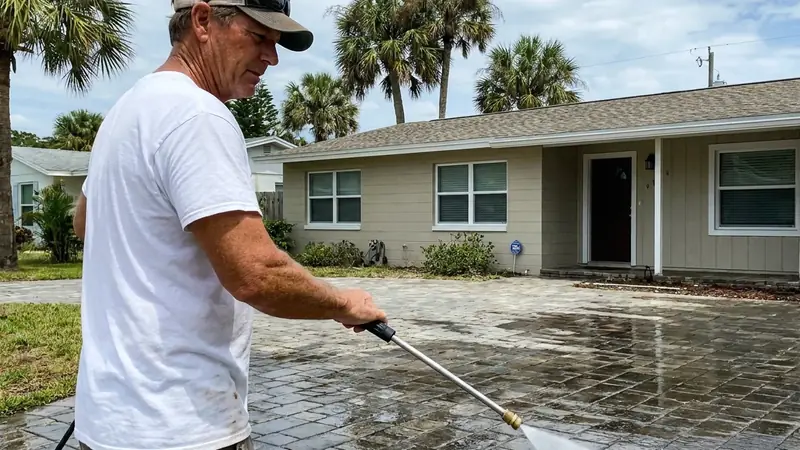
Next the grime comes off: street film, algae from shaded corners and drips near the garage. One paver company notes that washing alone only holds for a few months, which is why it is a first step and not the finish. Rinse water is steered off beds and lawn edges. Stubborn marks may get a second pass, and a few may stay faint. Garden beds and lawn edges get a rinse before and after the wash.
Top off every joint
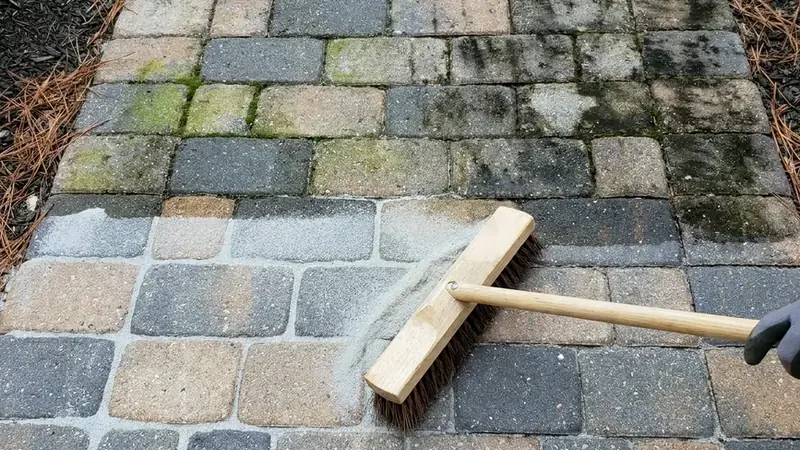
The wash takes sand with it. Southside ground is deep, fast-draining sand, and empty joints invite weeds and shifting stones. Fresh sand is swept in until each joint is full, then the surface is brushed clean. Joints that sat low for years can swallow more sand than you would expect.
Give the stones time to dry
Jacksonville gets most of its 52 inches of rain from May to September, in short, heavy bursts, and the driest stretch runs from November to April. After a storm the water table in this sand can sit high for a day or more. Sealer will not cure over moisture, so the contractor waits. Low corners near Pottsburg Creek are the last to dry.
Roll on the finish and set the cure
Sealer is applied in the finish you picked. Matte keeps the stone looking natural, and a wet look deepens color but shows scuffs sooner. Quotes for reseal time run two to five years, and one Jacksonville company suggests three to five. Ask how long to keep tires and feet off, since that depends on the product and the weather. A cured coat sheds oil and spills, so drips wipe up more easily later.
Complete paver services in Southside
On the Southside a job moves through four stages. First the wash clears grime and green. Fresh sand then fills the joints, the stones dry, and sealer goes on last so nothing dirty sits underneath. Call (904) 474-3568 to learn how long each stage runs on your lot.
Tires and street runoff hit driveways. Feet, furniture and splashes hit pool decks and back patios. Walks under mature trees go green first. When you ask for your free estimate, list every surface and ask for a single price.
Picking a sealer means picking a chemistry and a sheen. A water-based product cannot be laid over a solvent-based coat, which puts the old coat in charge. Matte keeps stone looking like stone, and wet look deepens the color. Call (904) 474-3568 to talk it through for your Southside home.
Rain sets the calendar. Most of Jacksonville's rain falls from May to September, and November to April runs drier, so a Southside date can shift with the forecast. Ground near Pottsburg Creek may stay wet after a storm. To pick a date that fits your street, ask for your free estimate and ask about the dry months.
Questions to ask before you hire
- How do you handle a job where a big shade tree keeps the pavers damp until noon?
- Do you wash the driveway apron out to the curb, or stop at my property line?
- Can you walk me through the steps in order, from the first wash to the last coat?
- How far back from my lawn edge and mulch beds do you stop the sealer?
- Could you price only the front half of the driveway to start?
- Can you point out the spots that will probably need a touch-up in a year or two?
- My pavers are two colors, so will the sealer treat both the same way?
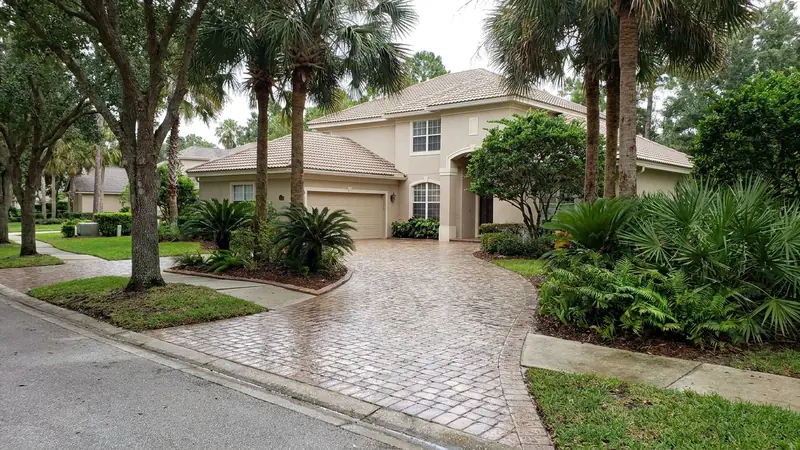
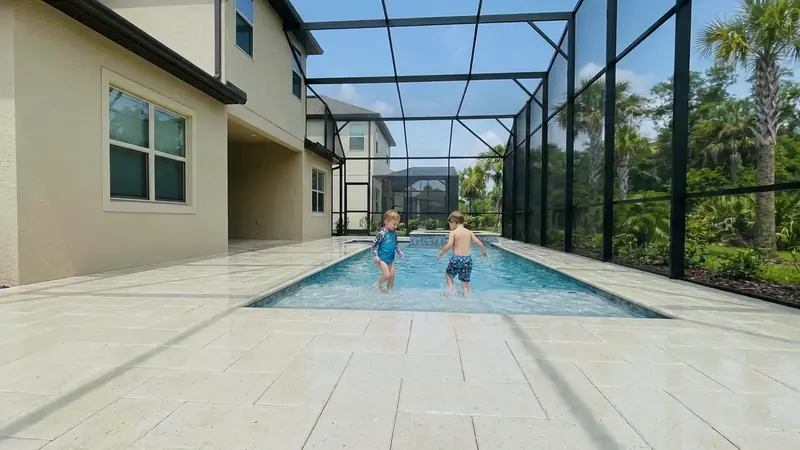
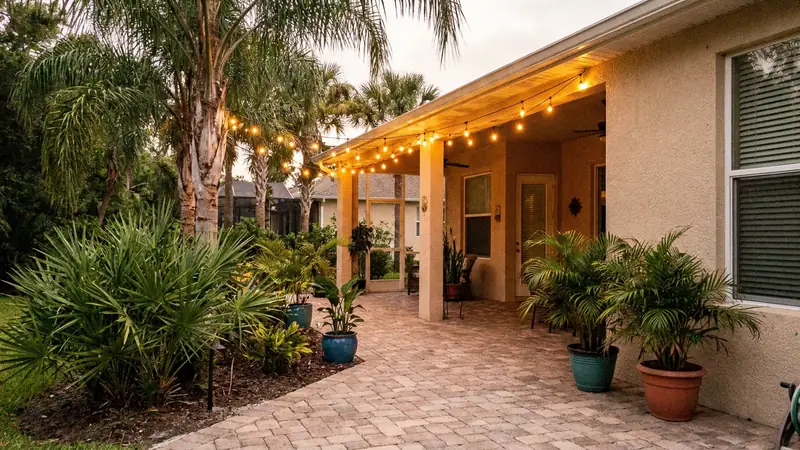
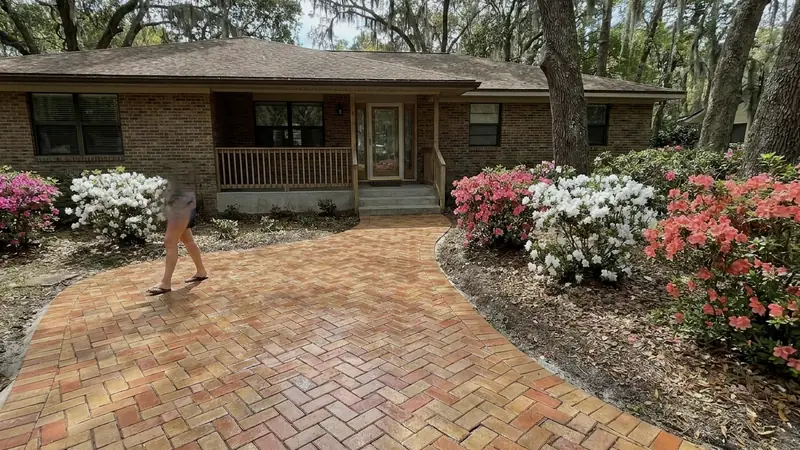
What do sealed pavers look like around Southside?
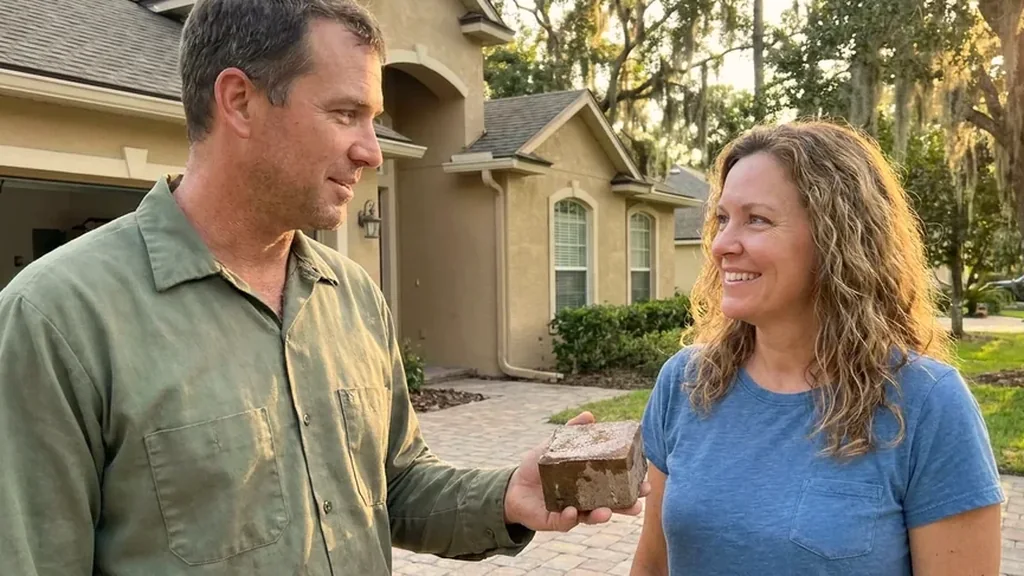
Why local matters in Southside
A contractor who works the Southside knows the ground is sand and the water table can rise for a day or more after heavy rain. That tells them to ask how your driveway drains before quoting. Someone who has not worked here might skip that question. For a contractor who knows Southside lots, call (904) 474-3568.
The Southside also mixes decades on a single street. A 1950s ranch home may sit next to a townhome from the 1990s or a condo from the 2000s. Each has different pavers, sand and rules, and a local contractor has seen the mix. You can ask for your free estimate and describe the age of your home, with no obligation.
Roads matter on a job day. Southside Boulevard crosses Butler, Beach and Atlantic Boulevards and carries heavy traffic along most of its length. A contractor who knows these roads plans arrival times and truck parking around them. If you are near one of those corridors, call (904) 474-3568 and ask how the contractor handles it.
How did the Southside grow from pine woods into neighborhoods?
It grew quickly, starting in the 1950s and 1960s. In 1960 the land south of Beach Boulevard was sand dunes and pine trees. Beach Boulevard finished in 1949, and Southgate Shopping Center opened on it in 1957, one of the Southside's first suburban shopping centers. If you live near Spring Park or Home Park, ask for your free estimate.
Deerwood came next as the first gated community in Florida, with its golf course built in 1960 and 1961. Southpoint rose in the late 1970s on old Skinner dairy land after Butler Boulevard opened in 1979. St. Johns Town Center followed in 2005, with condos and apartments built around it since. If you live close to any of these places, call (904) 474-3568 and give your street name.
Frequently Asked Questions
How much does it cost to have pavers cleaned and sealed in Southside?
Budget $1.75 to $3.25 per square foot for the wash, sand and sealer, the range published around Northeast Florida. Where a Southside job lands depends on size, lost joint sand and any old coating. Have the quote list the square footage so you can test the math. The estimate is free.
Is it good to seal pavers in Southside, Florida?
Yes, on most homes. A coat slows sun fading, helps keep joint sand where it belongs and makes later cleanings quicker. Southside's fast-draining sand makes that sand-holding job matter more. A new coat comes due after a few years, so plan for it.
Why does paver sealing cost what it does around Southside?
Prep eats most of the hours. One Jacksonville company reports two to three hours of prep behind each hour of sealing. Washing, re-sanding and waiting out a damp surface all come before the first coat.
Which paver sealer suits Southside homes?
That depends on the look you want and what coats the pavers already carry. Water-based sealer cannot go over solvent-based sealer, so the old product narrows the field. Matte stays natural, and wet look deepens color. The contractor can confirm the old product at the estimate.
How long does sealer last on Southside driveways?
Quotes from companies usually put reseal time at two to five years. Full sun, daily tires and shade growth can shift your Southside driveway toward the short end. Water that soaks in rather than beading means a new coat is due.
Do I need HOA approval to seal pavers at my Southside home?
Possibly. Under Florida Statute 720.3035, an association may weigh in on the look of improvements only as far as its own declaration or guidelines allow. A color change or high gloss is more likely to need a nod than a natural finish. Ask your board before booking.
What if an earlier owner already sealed my Southside pavers?
Then the earlier product sets the rules. Failing sealer may need to come off, and a water-based coat cannot go over a solvent-based one. The contractor tests the surface at the estimate. A receipt or a label from the earlier owner helps.
How soon can I use my driveway after sealing in Southside?
Foot traffic is usually fine within hours, and cars often need about a day, depending on the sealer and weather. A damp or shaded Southside driveway may need longer. The contractor will give you a time for your own surface. Keep tires, bikes and furniture off until then.
Nearby areas we serve
Ready for a Free Estimate in Southside?
Call (904) 474-3568 and tell us about your pavers.
Free, no obligation