
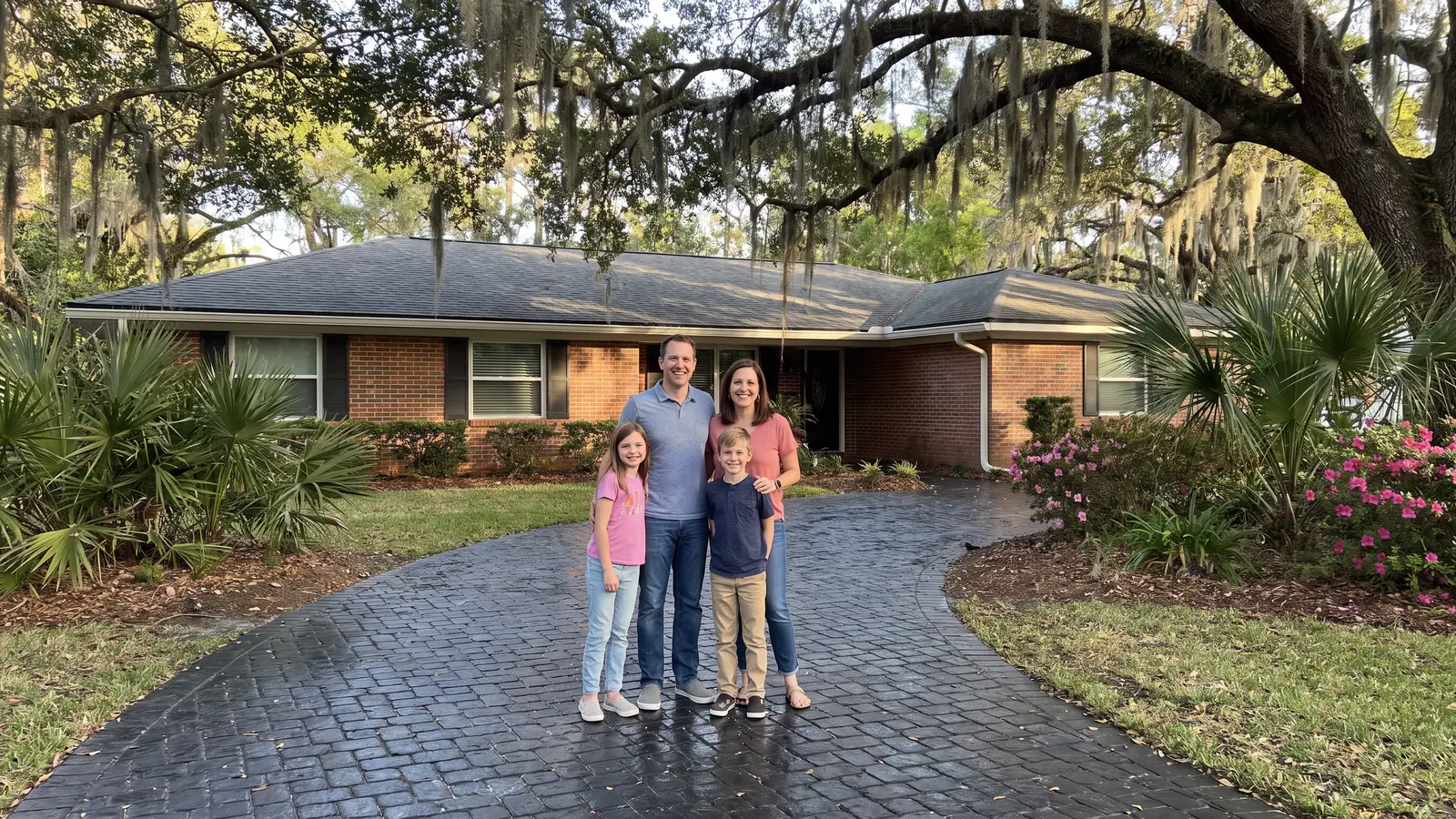
Paver sealing for San Jose homes
Paver Sealing in San Jose, FL
Oaks, creeks and the St. Johns River shape San Jose paver jobs, so call (904) 474-3568 for a free estimate.
- Brings out deeper paver color
- Fresh joint sand helps lock pavers in place
- Gives weeds less room to grow
- Makes the surface easier to keep clean
- Free estimate, no obligation
Request a Free Estimate
Free, no obligation.
Fast, careful paver sealing in San Jose
Paver sealing in San Jose is open to homeowners from the river lots along San Jose Boulevard to the quieter streets inland, and the estimate is free. A local contractor will look over your driveway, walk or patio. Expect a reply within 1 business day, usually much sooner, and call (904) 474-3568 if you would like to talk first.
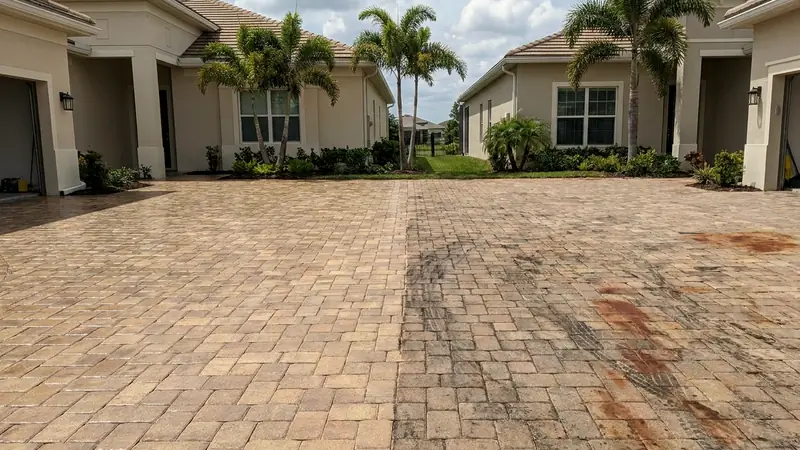
Maybe moss has crept across the shady side of your walk, and the stones near the garage have turned dull and gray. A wash, fresh joint sand and one new coat can bring that surface back to a single clean color. When you are ready, you can ask for your free estimate and describe what you see.
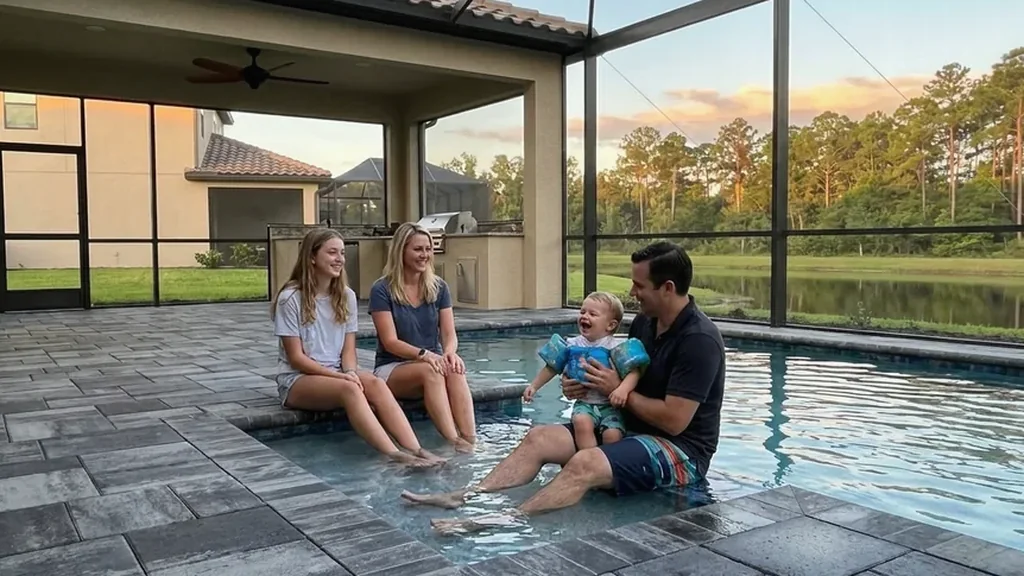
Why hire a local paver sealing contractor in San Jose?
San Jose lots run from big riverfront yards to small streets under spreading oaks, and each one dries, stains and wears a little differently. A local contractor sizes up yours on site, so ask for your free estimate to set a time.
A free look at your lot
A San Jose contractor looks over the driveway, patio or walk for free and quotes the job in person.
Rates to hold a San Jose quote against
Companies around Northeast Florida commonly publish $1.75 to $3.25 per square foot to clean, sand and seal, so you can test any San Jose quote.
Finish by look and use
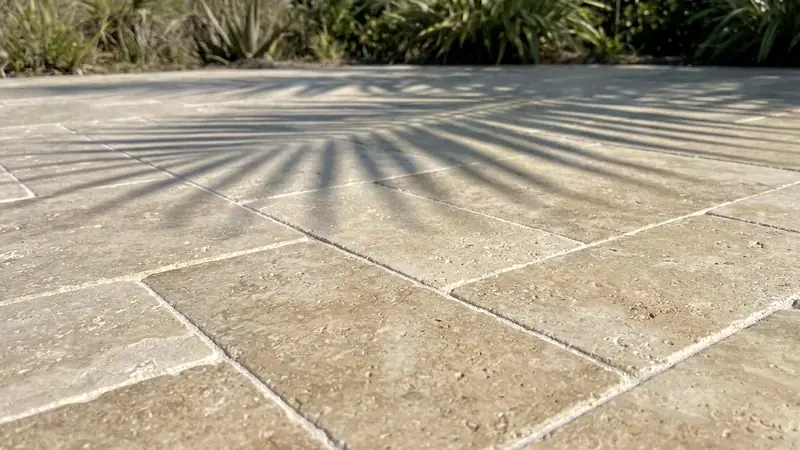
A wet look deepens color on a pool deck. Matte keeps a natural face on a Spanish Revival entry walk.
You hold the pen
You choose the finish, the day and whether to go ahead. A San Jose estimate never obliges you to hire.
Get Your Free Estimate in San Jose
Tell us about your pavers in San Jose.
Free, no obligation
What paver problems show up most in San Jose?
Brackish water on low riverfront lots
The St. Johns River at Jacksonville is an estuary, which means tides and ocean storms shape it and the water is saltier than a plain river. The district that watches it says a nor'easter can raise the water several feet. On a low San Jose lot beside the river, that kind of surge can reach the yard and patio. Pavers that have been under tidal water need a wash before sealing, since sealer would trap whatever the water left. The contractor can tell what the water left behind and how much washing it needs.
Moss, acorns and long shade
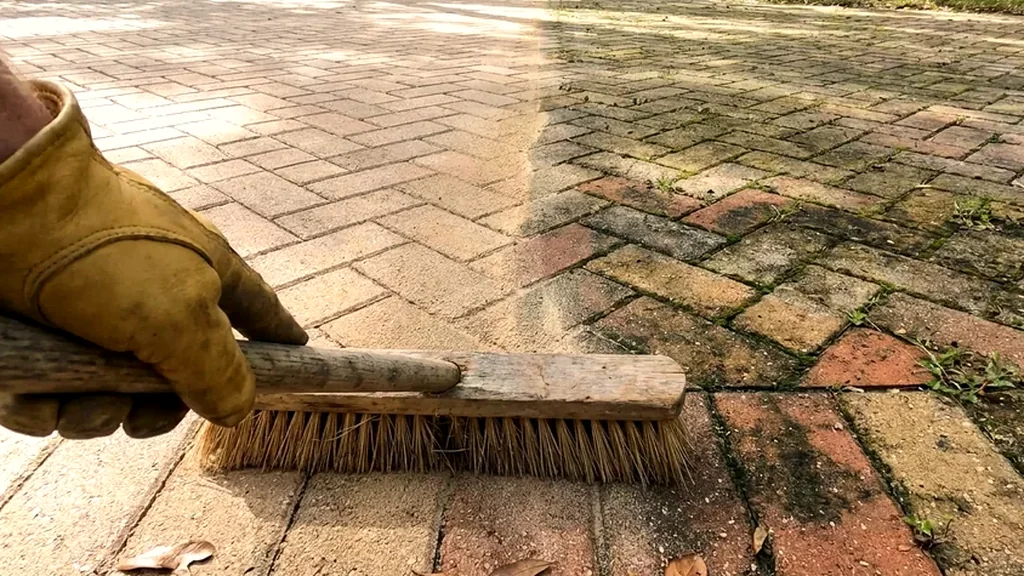
Oaks heavy with draping moss shade most San Jose lawns. UF/IFAS says live oaks can spread 60 to 120 feet, and acorns from water oaks stain concrete where they fall. Algae grows where shade and moisture meet, such as under trees and on north sides. A walk under those branches can stay green and spotted even after it is washed once. A sealed surface gives algae and dirt less to hold. A walk under a live oak may need more than one wash across the season. The contractor can tell you how much shade your stones get and what that means for the coat.
Damp ground near the creeks
Goodbys Creek runs along the edge of San Jose, and a creek on the grounds of Camp Tomahawk Park feeds it. Ground near creeks tends to hold water, and the sand here drains fast but fills up in a long rain. After a heavy storm the water table can rise for a day or more. Pavers on a low corner may stay damp when the rest of the yard looks dry, and sealer needs dry stone. Photos of the low corners after a storm help at the estimate. They show the contractor where water sits and how long it stays.
Pavers from different decades
A 1947 purchase led to new lots and post-war subdivisions, and the 1920s planned community left Spanish Revival homes behind. Pavers were added over many years by many owners. Nobody may remember what sealer an earlier owner chose. Water-based sealer cannot go over solvent-based sealer, which means the contractor has to learn what is on your stones first. A coat that is peeling, patchy or cloudy is a clue that something old is still on the surface. A receipt from an earlier owner is just as helpful.
Washing too hard on older stone
One trade supplier cautions that pressure over 3,000 PSI can strip the face of standard concrete pavers. Older pavers that have been washed hard before can look rough and soak up water fast. A careful contractor picks pressure to suit the stone. That matters on a San Jose patio you plan to seal, because a rough surface drinks more sealer. Some stains need extra treatment to lighten, and the contractor will tell you which ones on your stones.
Do San Jose's mansions, ranch homes and bungalows need different paver care?
Yes, a little, because the homes here run from waterfront mansions to small wood-frame starters. Midcentury ranch homes, Spanish Revival bungalows and newer designs sit on the same streets. Waterfront lots are large, and lots away from the river are smaller. Tell the contractor your home style when you ask for your free estimate.
A 1947 purchase by Stockton, Whatley, Davin and Company led to new lots and post-war subdivisions that filled in the open land. When I-95 was built a few miles east in the 1960s, growth moved away from San Jose and left it mostly residential. That mix of 1920s planning and 1940s infill means pavers from many eras, so call (904) 474-3568 and share when you think yours went in.
Some San Jose streets sit inside gated communities or planned developments. One Southside paver page warns that a guard gate can cap the hours and vehicles a contractor may bring. Let your guard or board know a contractor is coming, then ask for your free estimate and mention the gate.
What does paver sealing cost in San Jose?
Sealing companies in Northeast Florida commonly list $1.75 to $3.25 per square foot, covering the wash, the sand and the sealer. In San Jose, a large riverfront yard, long oak shade and thin joint sand are the usual reasons a total moves up. A small patio near the street may land near the low end. To price yours, ask for your free estimate.
Method also shapes the labor. A trade supplier says to spray the first coat and back-roll it with a foam roller, which takes more hands than spraying alone. Gates, long carries to a back patio and extra washing add time too. Call (904) 474-3568 and the contractor will walk through which of these touch your property.
| Paved area | Typical example | Clean, sand and seal |
|---|---|---|
| 300 sq ft | Small patio or walkway | $525 to $975 |
| 600 sq ft | Two car driveway | $1,050 to $1,950 |
| 1,000 sq ft | Large driveway or pool deck | $1,750 to $3,250 |
| 1,500 sq ft | Driveway plus pool deck | $2,625 to $4,875 |
Math based on the $1.75 to $3.25 per square foot that Northeast Florida paver companies published as of November 2026. Your contractor sets the actual price after seeing the surface. Repairs, leveling and stripping failed sealer are usually extra.
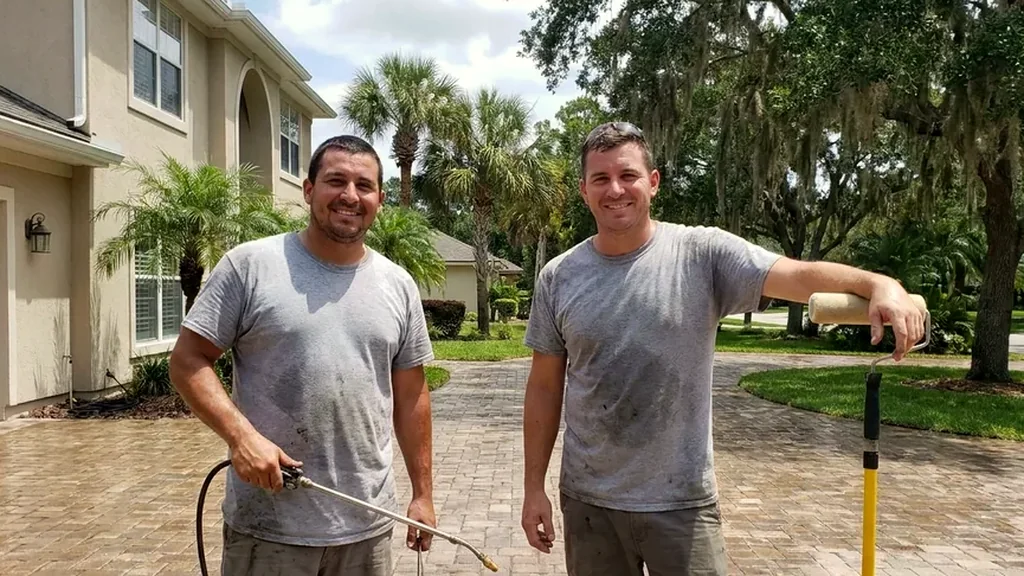
How does a paver sealing job work in San Jose?
Walk the property and learn the history
The contractor starts with a walk around your San Jose driveway, patio and walk. Low corners, lifted stones and shaded spots get noted. An earlier coat matters, because a water-based product cannot go over a solvent-based one. If a high tide or creek once covered the area, mention it, since that changes the cleaning plan. Photos of trouble spots help the quote. Tell the contractor about any gate code, pets or sprinkler timers before the visit.
Wash at a pressure the stone can take
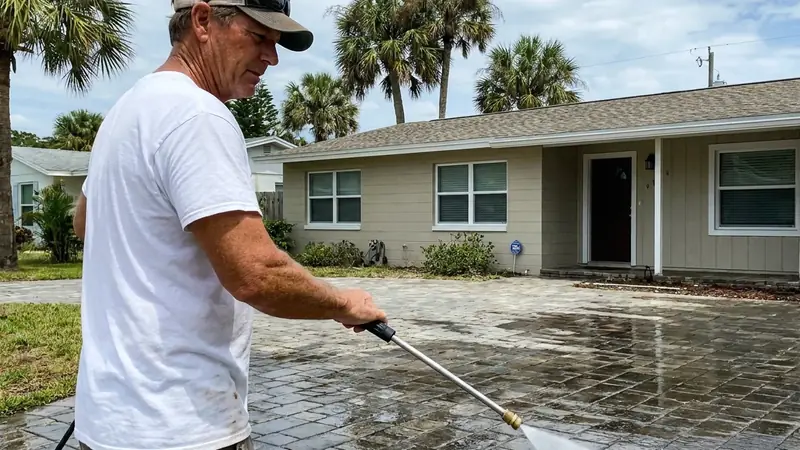
Cleaning removes moss, algae, acorn stains and road film. A trade supplier warns that going above 3,000 PSI on standard concrete pavers risks stripping the surface, so pressure is matched to the stone. Rinse water is steered off flower beds and away from the lawn edge. Heavier stains may need a second pass or a different cleaner. The wash also shows which stones are loose or lifted. Those get noted before any sealer goes on, since a coat keeps a dip as it is.
Put clean sand back in the joints
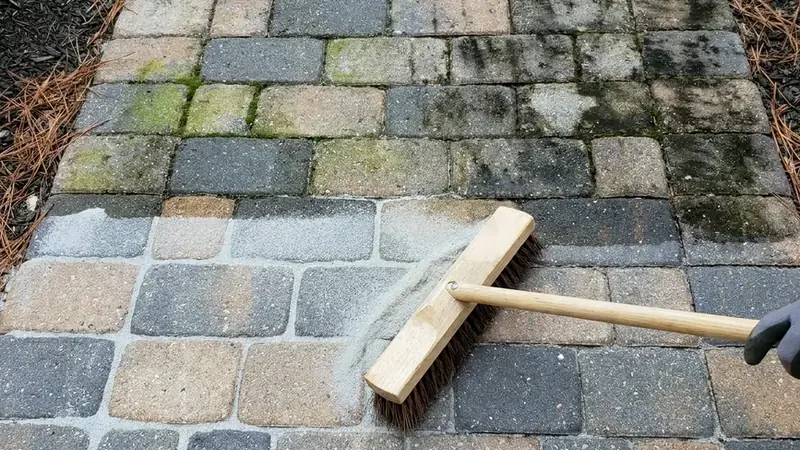
The wash lifts joint sand out, and the contractor puts it back before any coat. Some local installs were filled with play sand, which storms and sprinklers wash out, and gaps then fill with dirt and weeds. The contractor sweeps in fresh sand until the joints are full, then sweeps the stones clean. Full joints give the sealer something to lock in. A trade supplier says film-forming acrylics also help stabilize the sand in the joints, which is one reason full joints matter.
Hold off until the pavers are dry
Sealer needs a dry surface. Jacksonville gets about 52 inches of rain a year, mostly May to September in short, hard storms. Shade under San Jose's oaks can keep a walk damp when the sun is out elsewhere. A careful contractor checks the forecast and the stone, and moves the day instead of sealing over moisture. If a shaded walk is still damp, the contractor may start with the sunny driveway and return for the walk.
Apply the sealer and plan the stay-off time
A trade supplier says to spray the first coat and back-roll it with a slit foam roller to pull extra product out of the joints. Wet look brings out deeper color, though scuffs show sooner than they do on matte. Companies often quote a window of two to five years before the next coat. Ask when you can walk on it and when cars can return. Check which finish the quote is based on and whether a second coat is included. Keep the product name for next time.
Complete paver services in San Jose
A San Jose job moves in four stages: wash, re-sand, dry and seal. The wash clears moss and acorn stains, and the sand refills every joint. Sealer goes on last, after the stones have dried. To hear how long each stage runs on your street, call (904) 474-3568.
Driveways, front walks, back patios and pool decks each wear differently. A riverfront patio sees damp and tide-borne grime. An oak-shaded walk goes green first, and a driveway takes tire marks. Name your surfaces when you ask for your free estimate, and the contractor can quote them together.
Sealers come as film-forming acrylics, which sit on top, or penetrating products, which soak in and leave the look alone. Water-based sealer cannot go over solvent-based sealer. A wet look deepens color, while matte keeps the natural face. Call (904) 474-3568 to talk through the choice for your San Jose home.
Timing follows the weather. Summer brings short, hard storms, and shaded or low spots may stay damp after the rest dries. New pavers are another reason to wait, since one company says to give them 60 to 90 days before sealing. To find a day that fits your yard, ask for your free estimate.
Questions to ask before you hire
- My pavers are two colors, so will the sealer treat both the same way?
- How do you handle a job where a big shade tree keeps the pavers damp until noon?
- Do you charge extra for a steep driveway or a circular layout?
- What should I look for when I walk the job afterward to know it was done right?
- How far back from my lawn edge and mulch beds do you stop the sealer?
- Can you lift the tar spots and chewing gum off my pavers before you seal?
- How do you keep grass clippings and dust off the wet coat on a windy day?
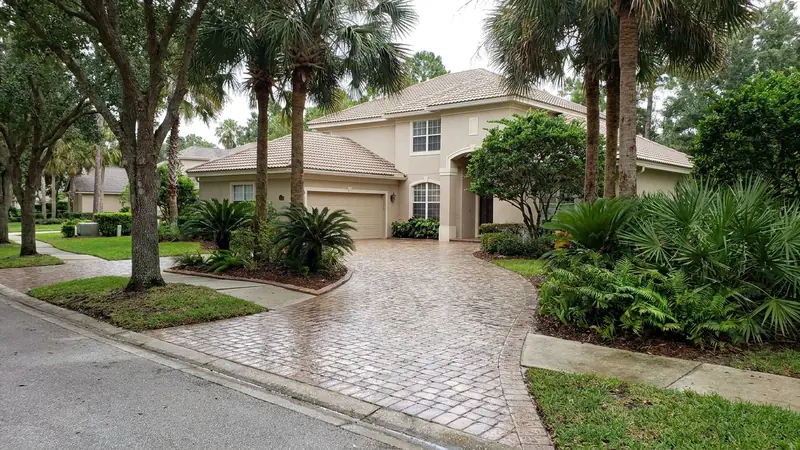
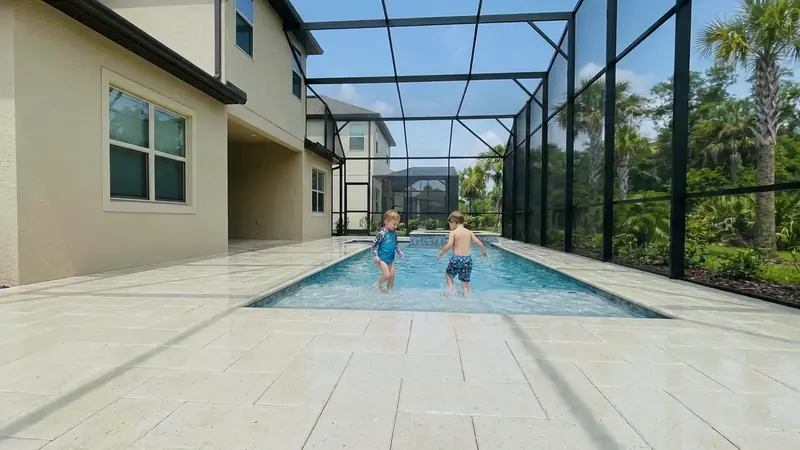
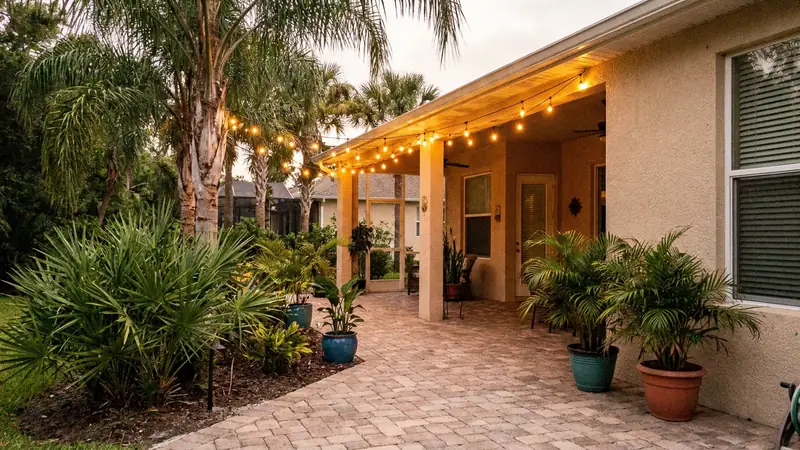
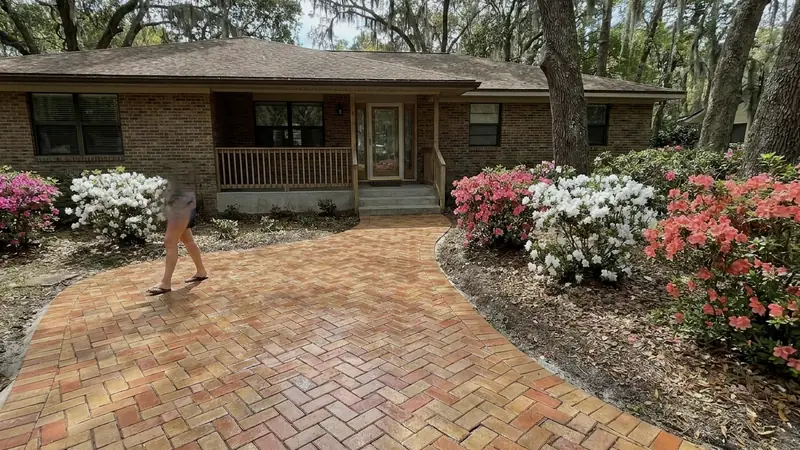
What do sealed pavers look like around San Jose?
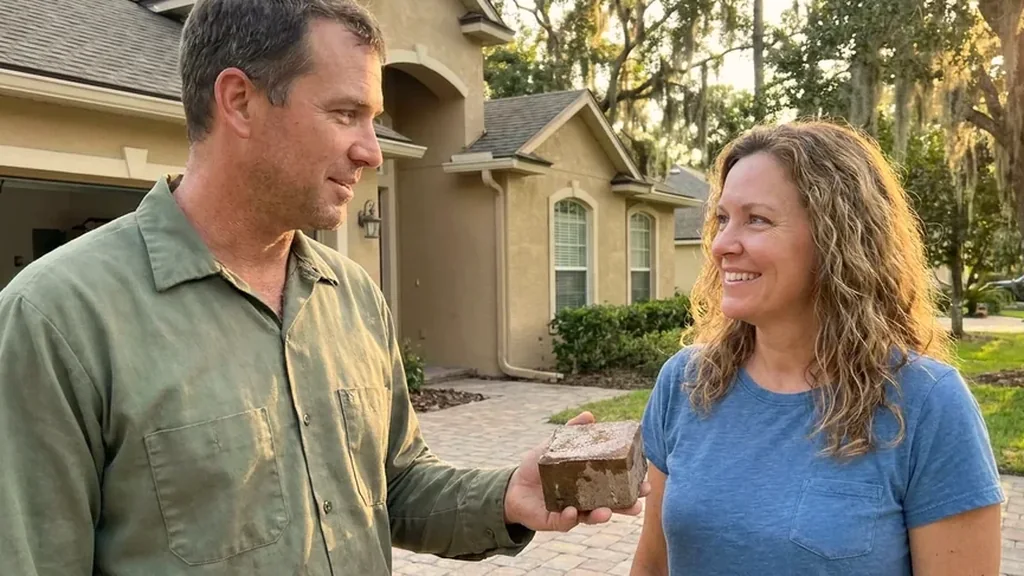
Why local matters in San Jose
A contractor who works San Jose knows the ground is deep sand that drains fast yet floods up in a long rain. That shapes how long the pavers need to dry and how much sand must go back. Someone who works far from the river may not plan for it. To reach a local contractor, call (904) 474-3568.
Local work also means knowing the gated streets and planned developments here. A guard gate can cap hours and vehicles, so a contractor who has worked these entrances plans the day around them. You can ask for your free estimate and mention any gate or visitor list, with no obligation.
San Jose homes sit under oaks, beside creeks and on the river, and each setting brings its own stains. A local contractor can tell acorn spots from rust and algae from tide silt. That saves cleaning guesses. If you want that kind of eye on your pavers, call (904) 474-3568.
What makes San Jose different from other Jacksonville neighborhoods?
San Jose began in the 1920s as a planned community, and the Depression stopped it before it filled in. Its first phase sold out on August 10, 1925, but only 37 structures stood when work paused in 1926. Epping Forest's mansion dates to 1927 and later became a yacht club. If you live near Christopher Point, ask for your free estimate.
The Bolles School grew out of the San Jose Hotel on San Jose Boulevard and opened in 1933. Goodbys Creek Preserve and Camp Tomahawk Park offer woods and water within the neighborhood's edge. I-95, built a few miles east, kept San Jose mostly residential. Near any of these San Jose landmarks, call (904) 474-3568 and name your street.
Frequently Asked Questions
Is it good to seal pavers in San Jose?
Yes, for most homes. Sealer slows fading, keeps joint sand in place and gives algae and dirt less to hold. Under San Jose's oaks and near the river, that extra protection can save cleaning time. Plan on a new coat after a few years. The contractor can look at yours and tell you if it is a good fit.
What is the average cost to seal pavers in San Jose?
Plan around $1.75 to $3.25 per square foot, which is what Northeast Florida companies commonly publish for cleaning, sanding and sealing. A San Jose total depends on size, shade growth, lost sand and any old coating. Ask for the area in square feet so you can check the math. Ask for the quote to list the sealer, the finish and the coats.
Is it better to spray or roll paver sealer in San Jose?
Both can be used. A trade supplier says to spray the first coat and then back-roll it with a slit foam roller to pull extra product out of the joints. The contractor can tell you which method the quote assumes. Rolling gets product into the joints, and spraying covers wide areas faster.
Why is paver sealing so expensive on San Jose homes?
A Jacksonville company puts its prep at two to three hours for each hour of sealing. Washing, re-sanding and waiting for dry pavers take hours before any sealer goes on. A big lot, oak shade or a gate can add to that time. That prep is what lets the sealer bond, and it is why quotes are priced by area.
Will a gate or HOA change how a contractor seals in San Jose?
It can. One Southside paver page warns that a guard gate may cap the hours and vehicles a contractor can bring. Tell your guard or board ahead of time, and mention the gate when you ask for an estimate. A call a day ahead to the gate saves time on the job day.
How do oaks and moss change paver sealing in San Jose?
They add washing and drying time. Algae grows where shade and moisture meet, and water oak acorns can stain concrete. The contractor cleans those marks first, since sealer would hold them in place. A shaded San Jose walk may need one wash before the sealing day.
Can I seal brand-new pavers right away in San Jose?
Usually not. One paver company says new pavers should wait about 60 to 90 days so trapped moisture can escape and white haze can be treated. Ask the installer when the stones went in. Efflorescence is the white haze that can show on fresh pavers.
How long until I can walk on newly sealed pavers in San Jose?
Foot traffic is often fine within hours, and cars usually need about a day, depending on the sealer and weather. Shaded San Jose spots may take longer to cure. The contractor will give a time for your own surface. Keep pets, bikes and furniture off until then.
Nearby areas we serve
Ready for a Free Estimate in San Jose?
Call (904) 474-3568 and tell us about your pavers.
Free, no obligation